





.webp)
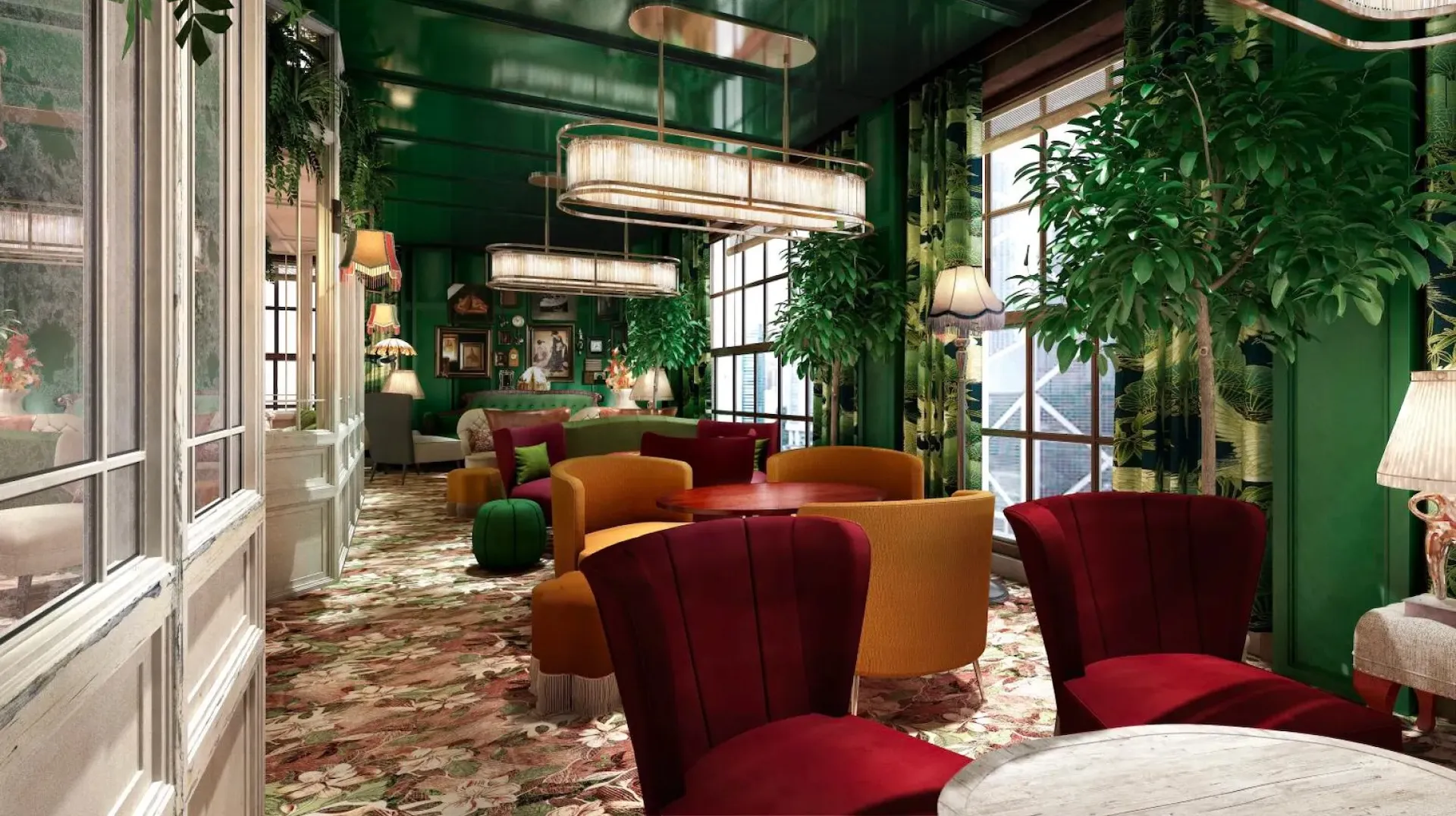
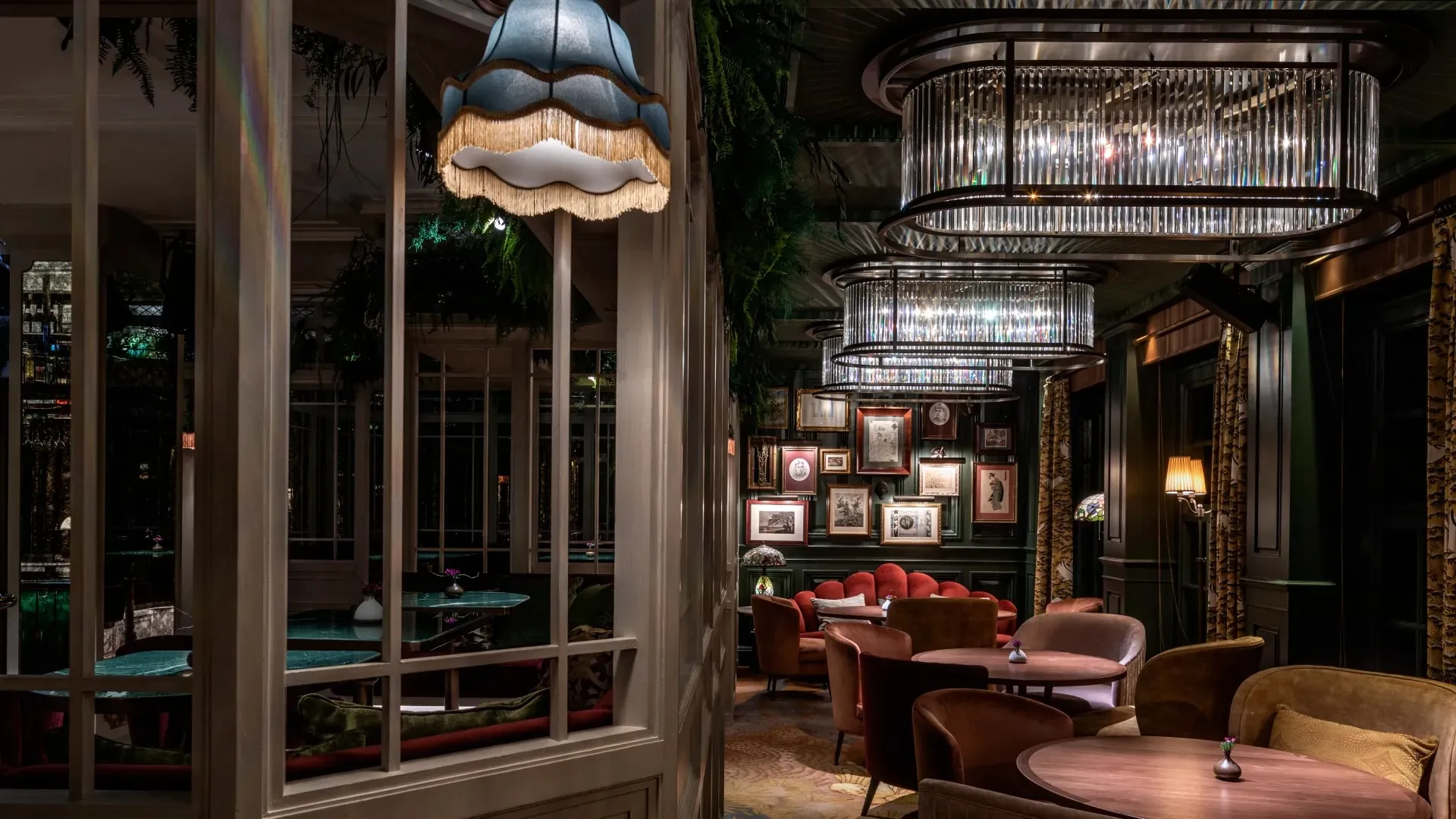
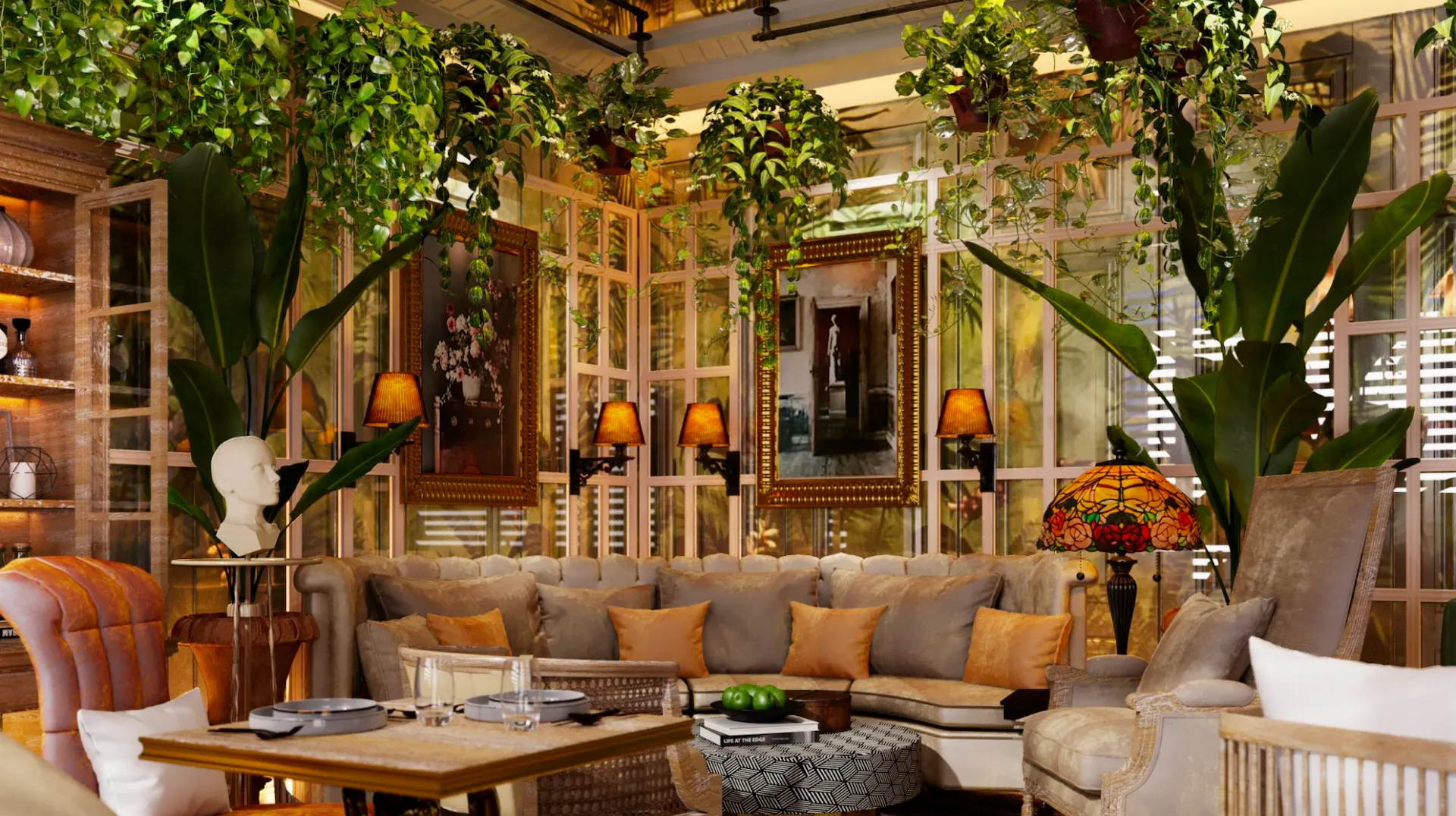
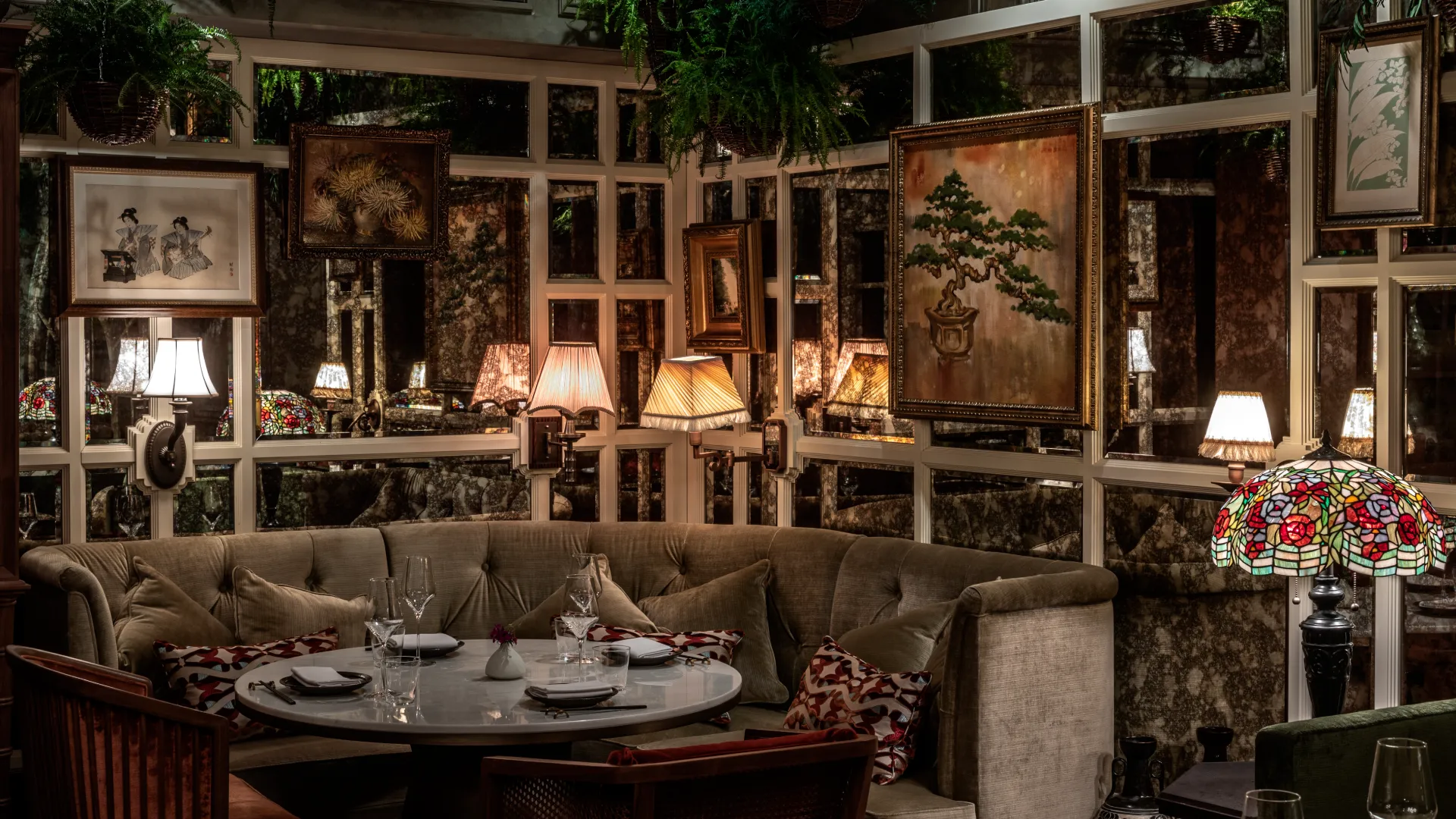
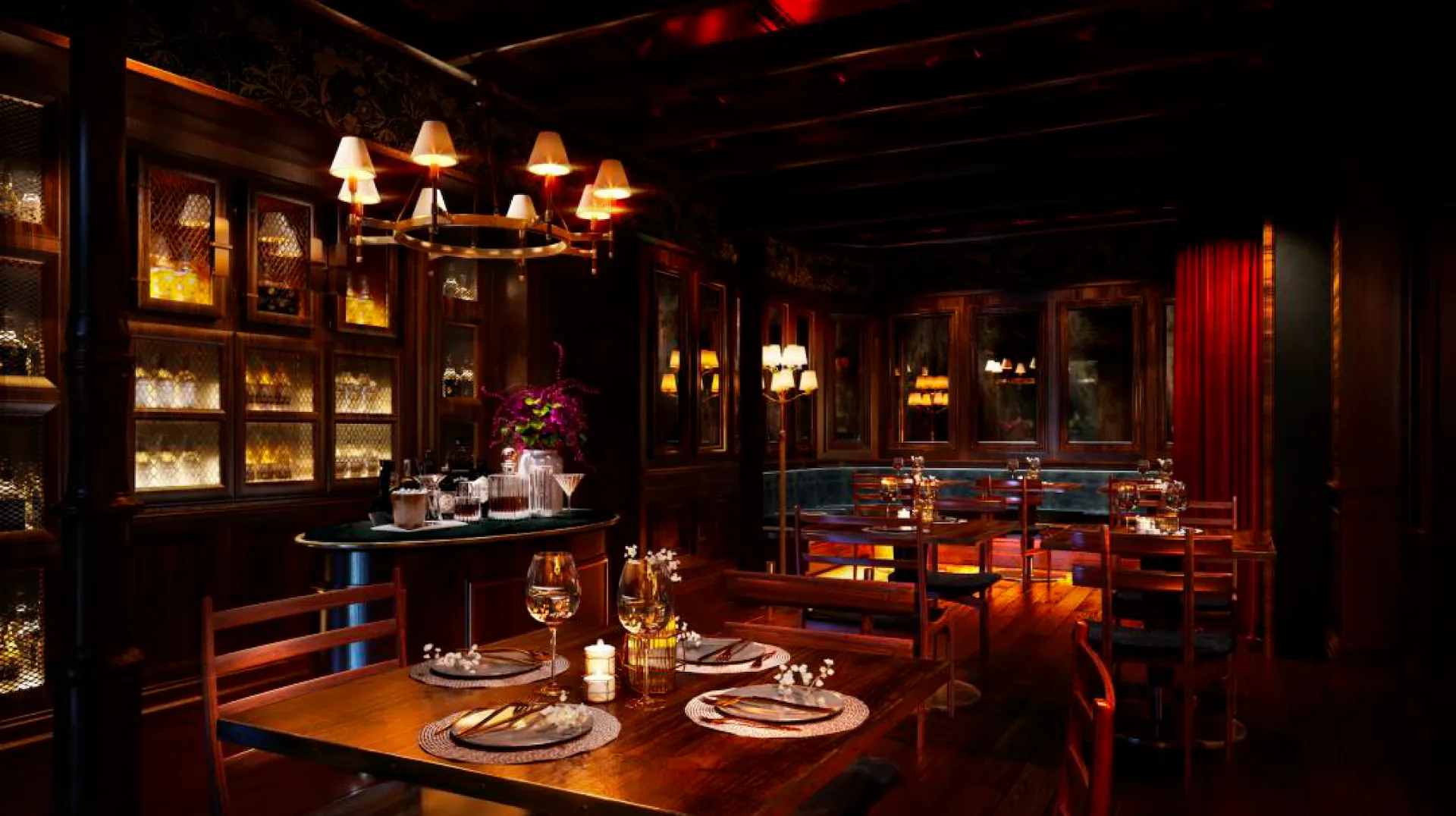
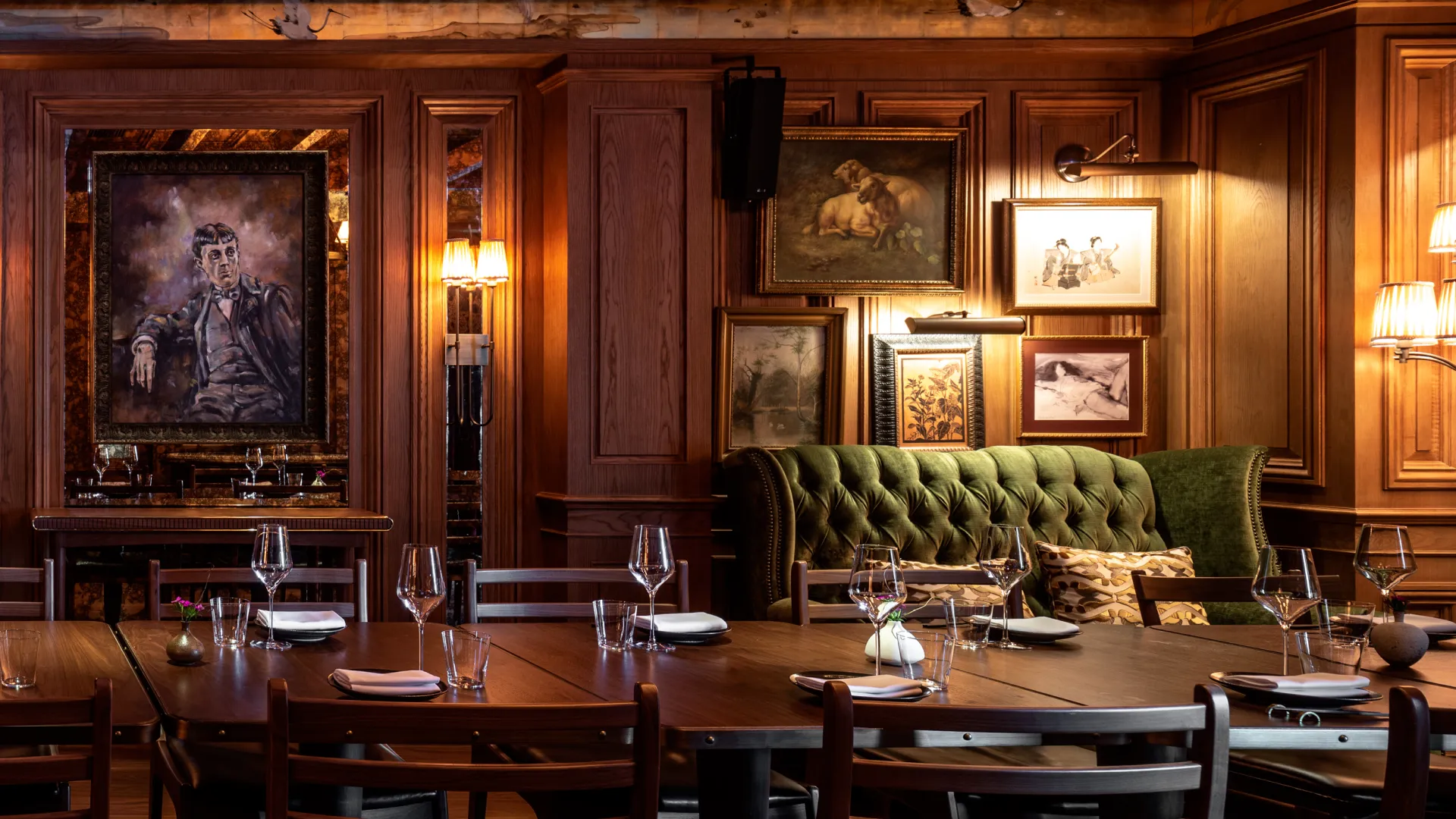
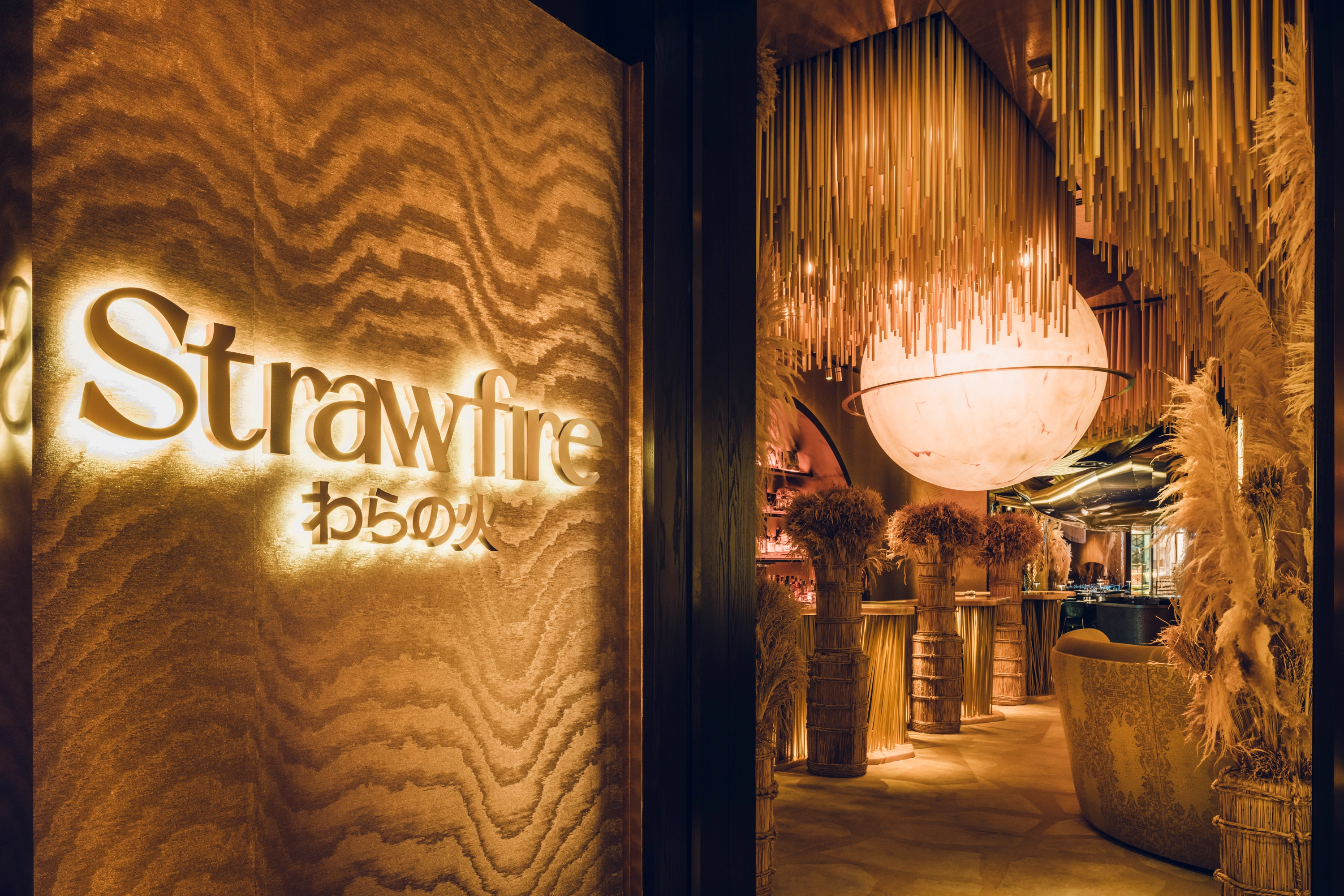
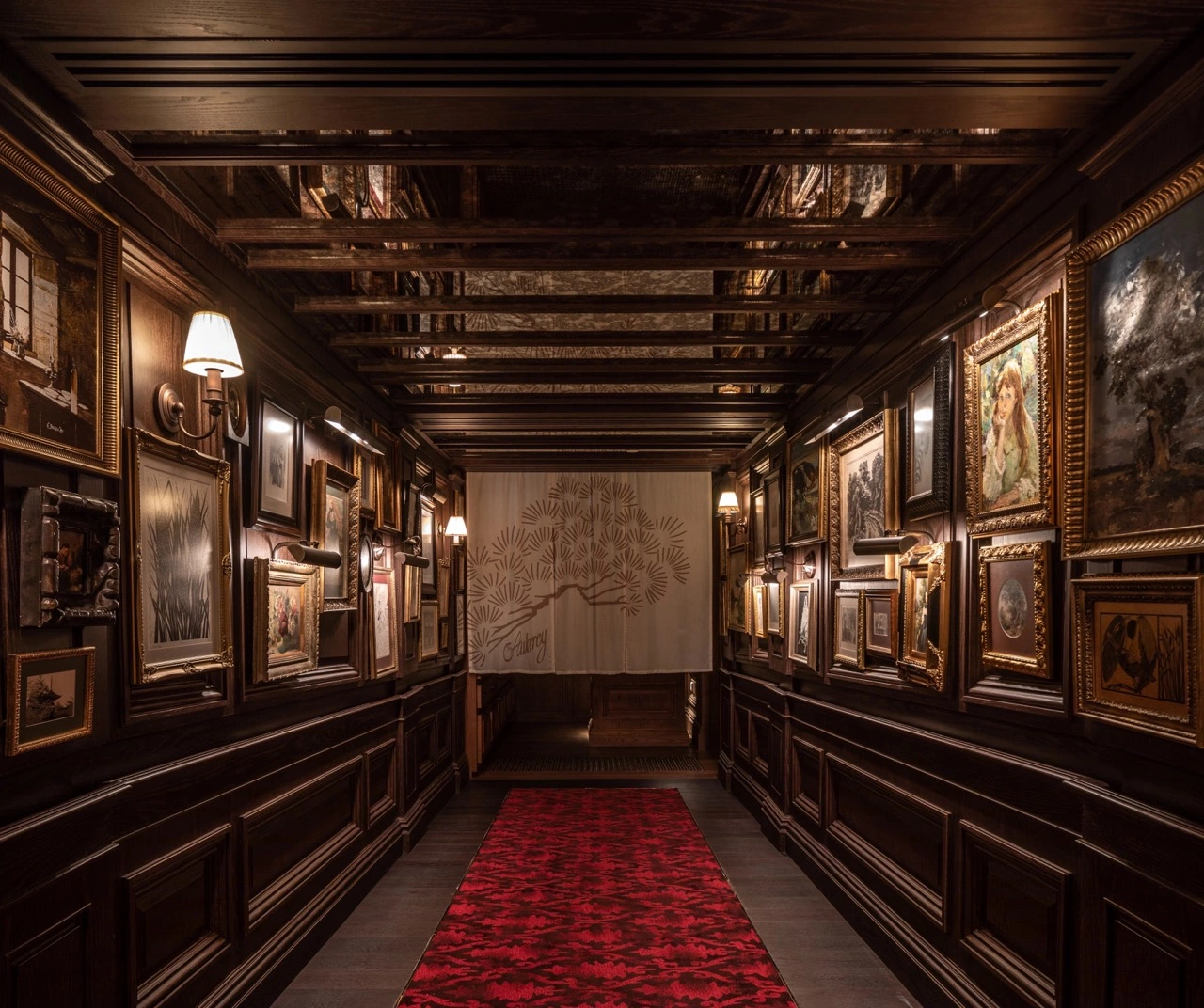
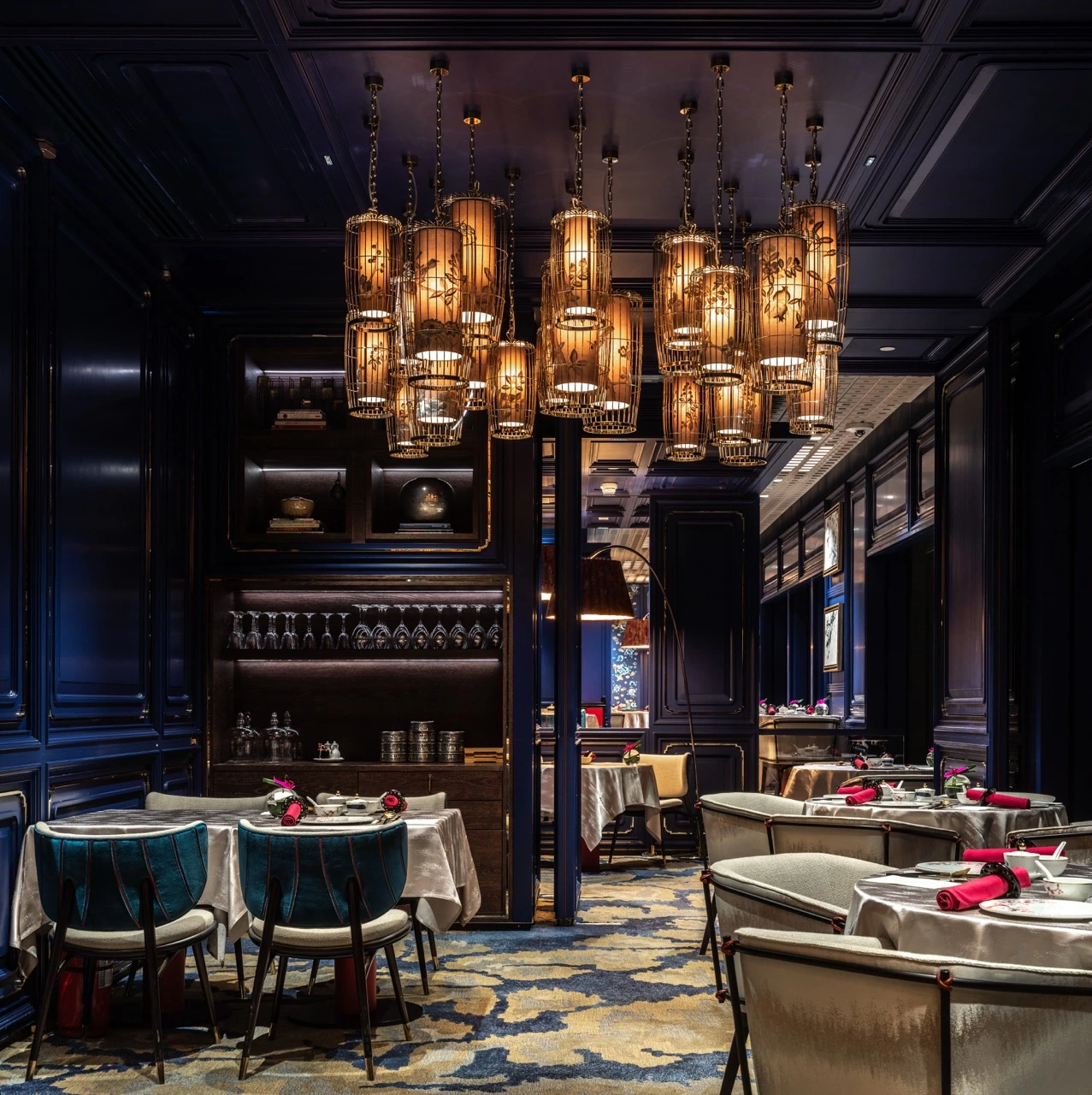
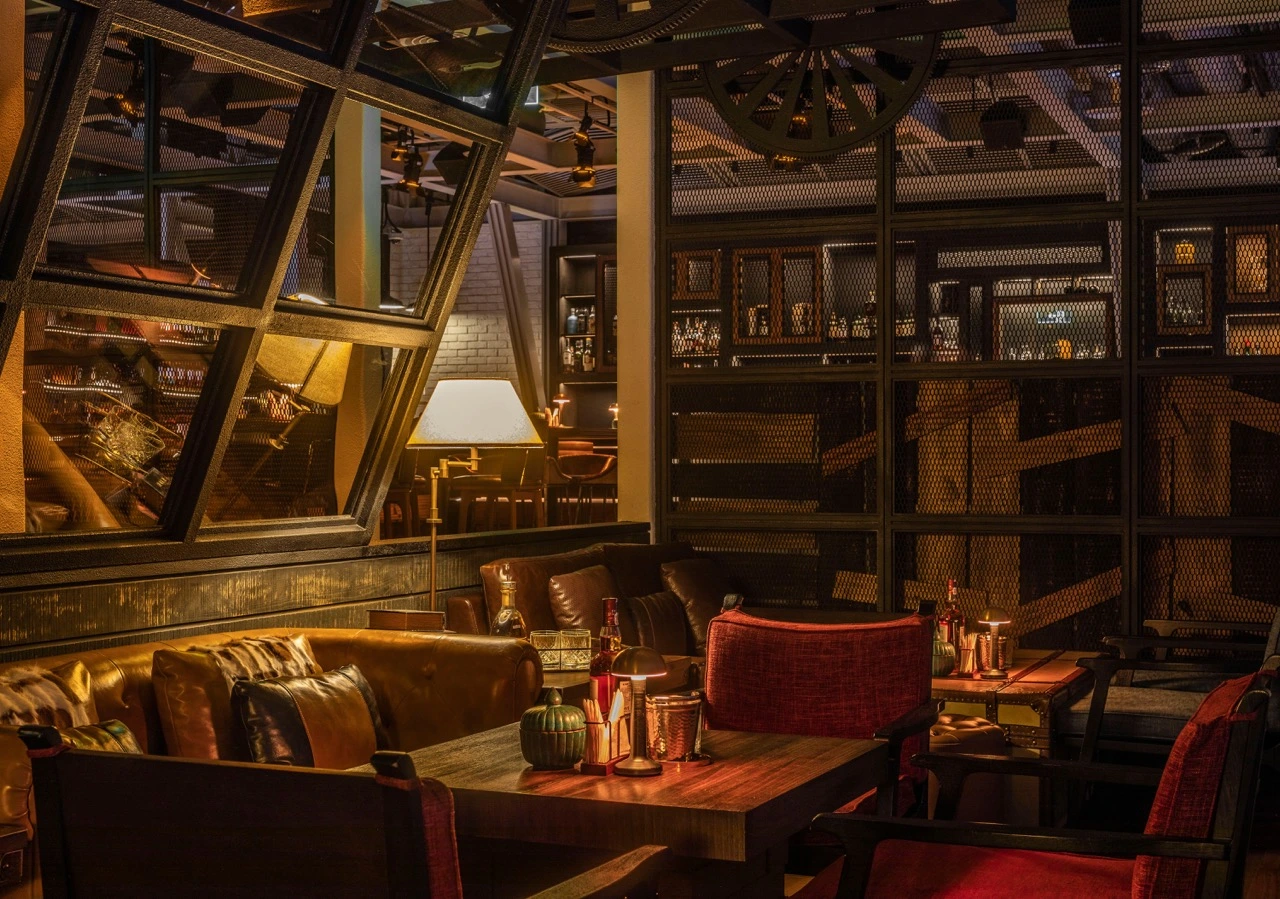
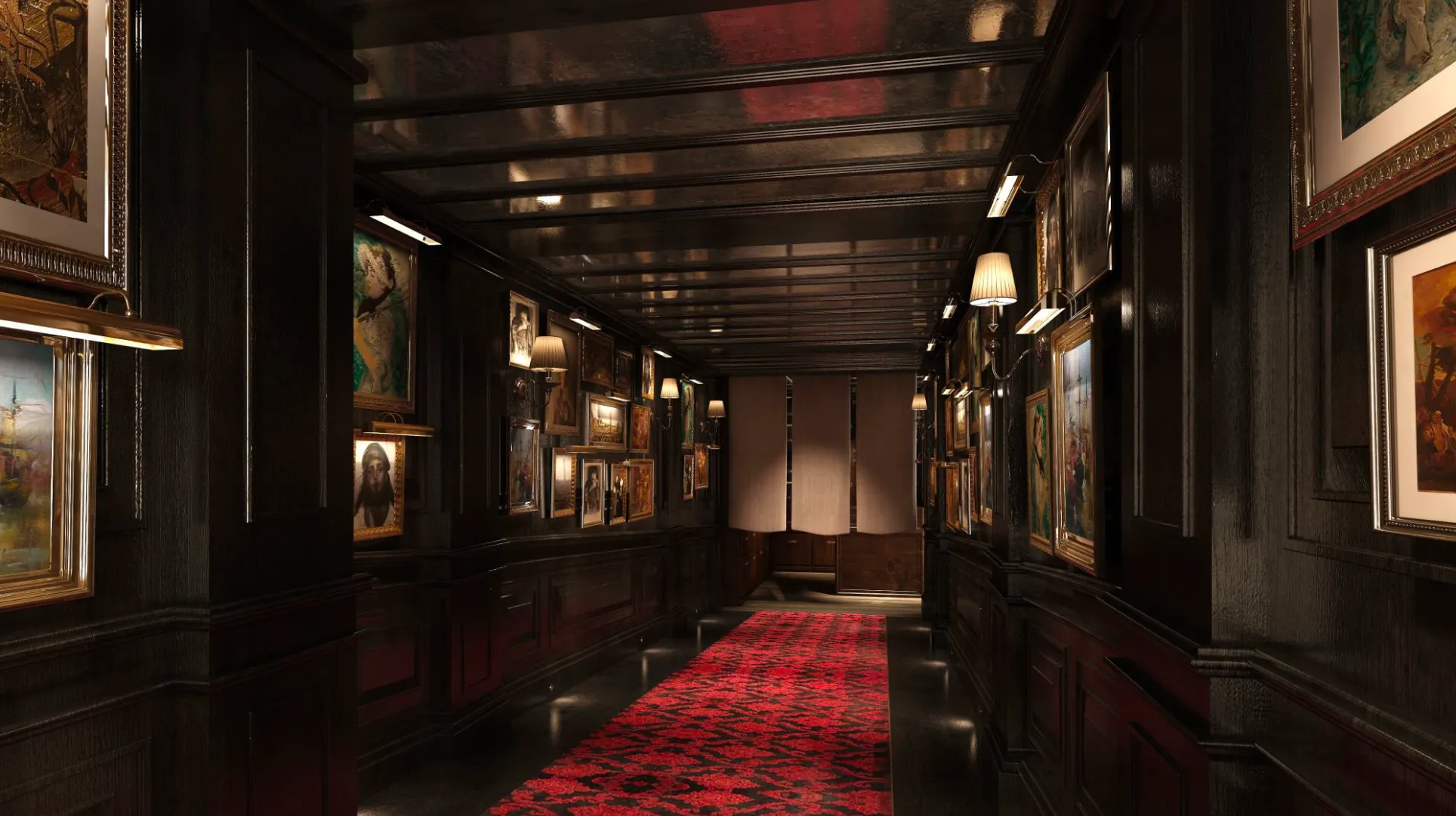
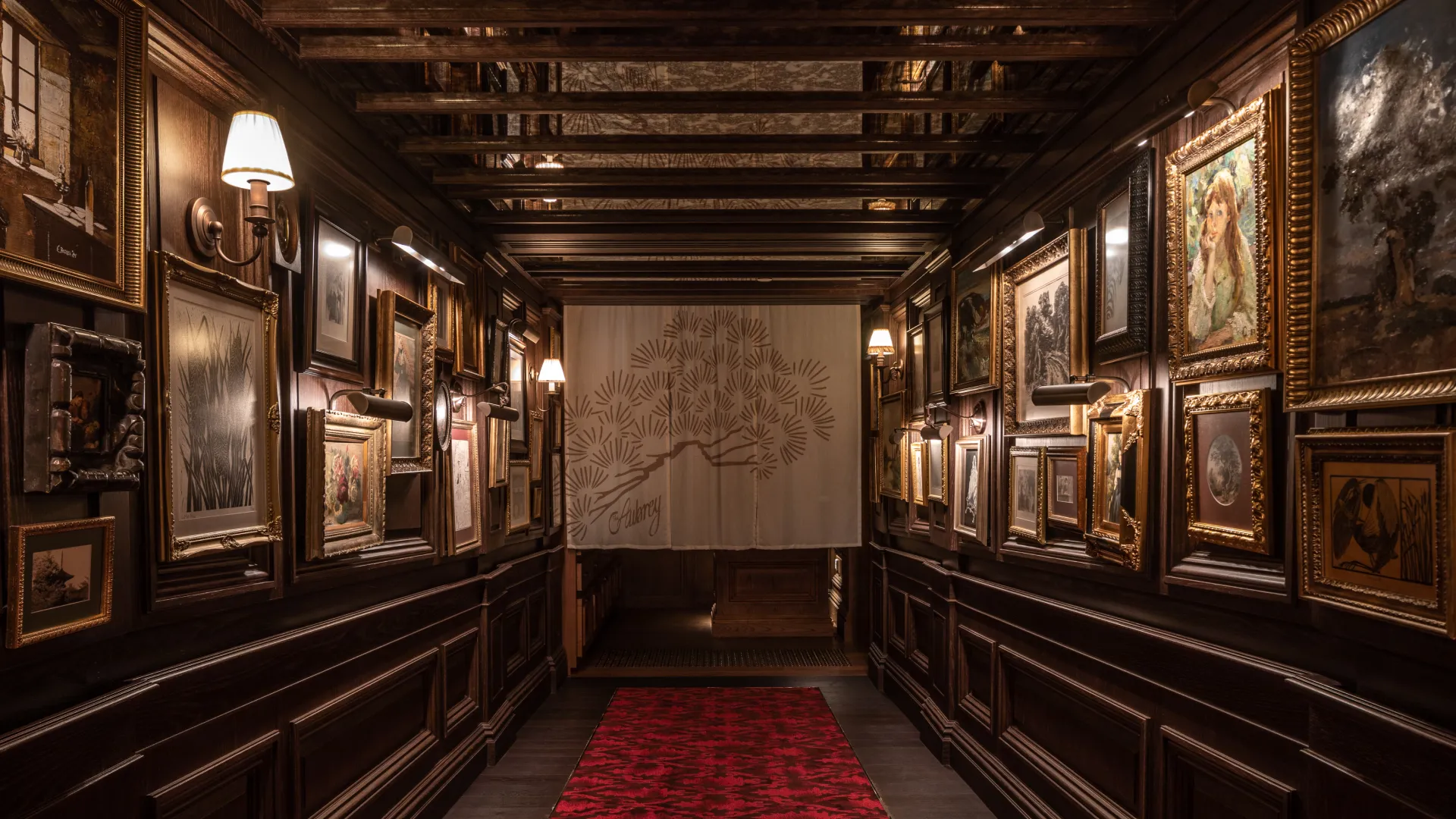
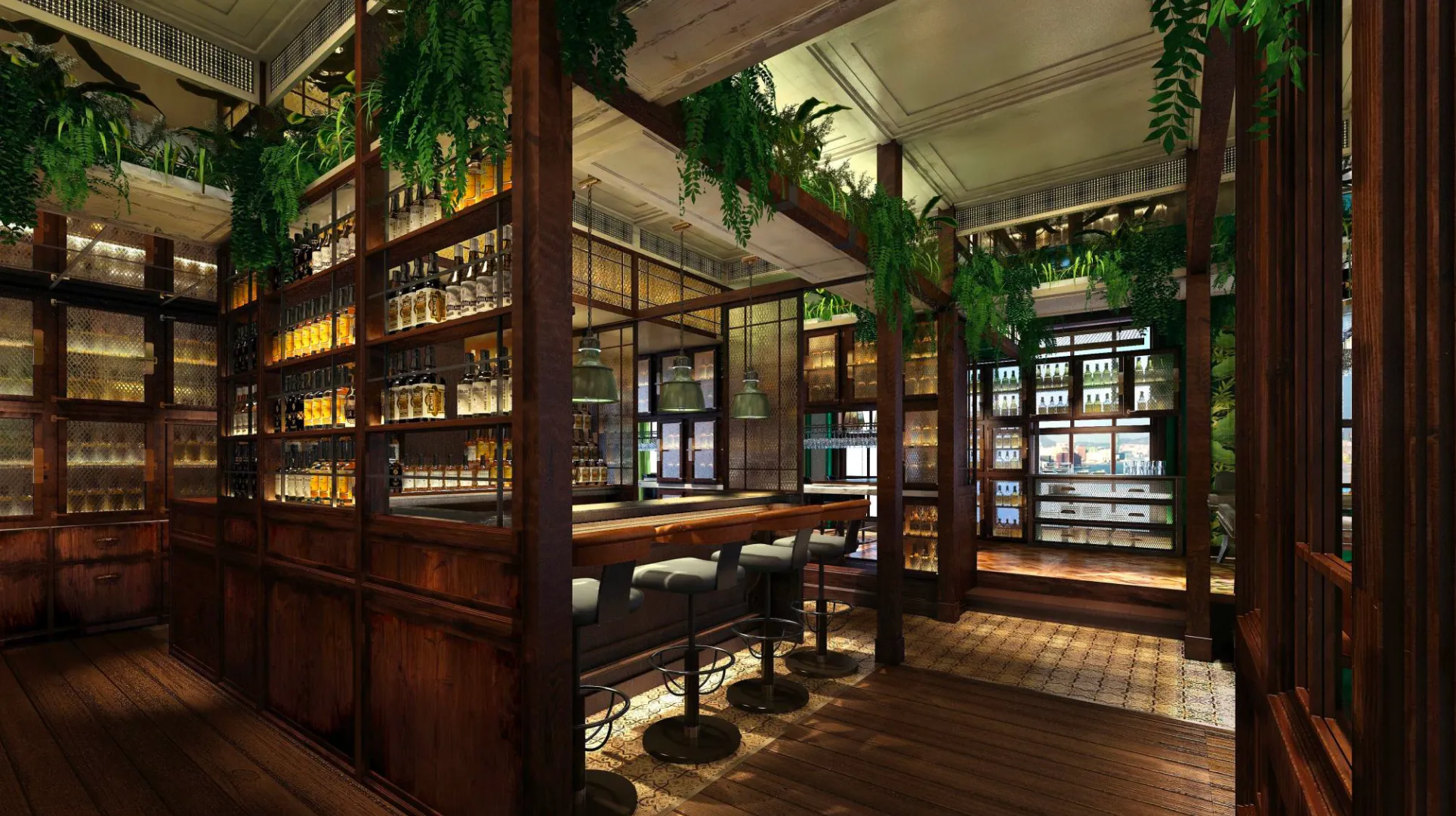
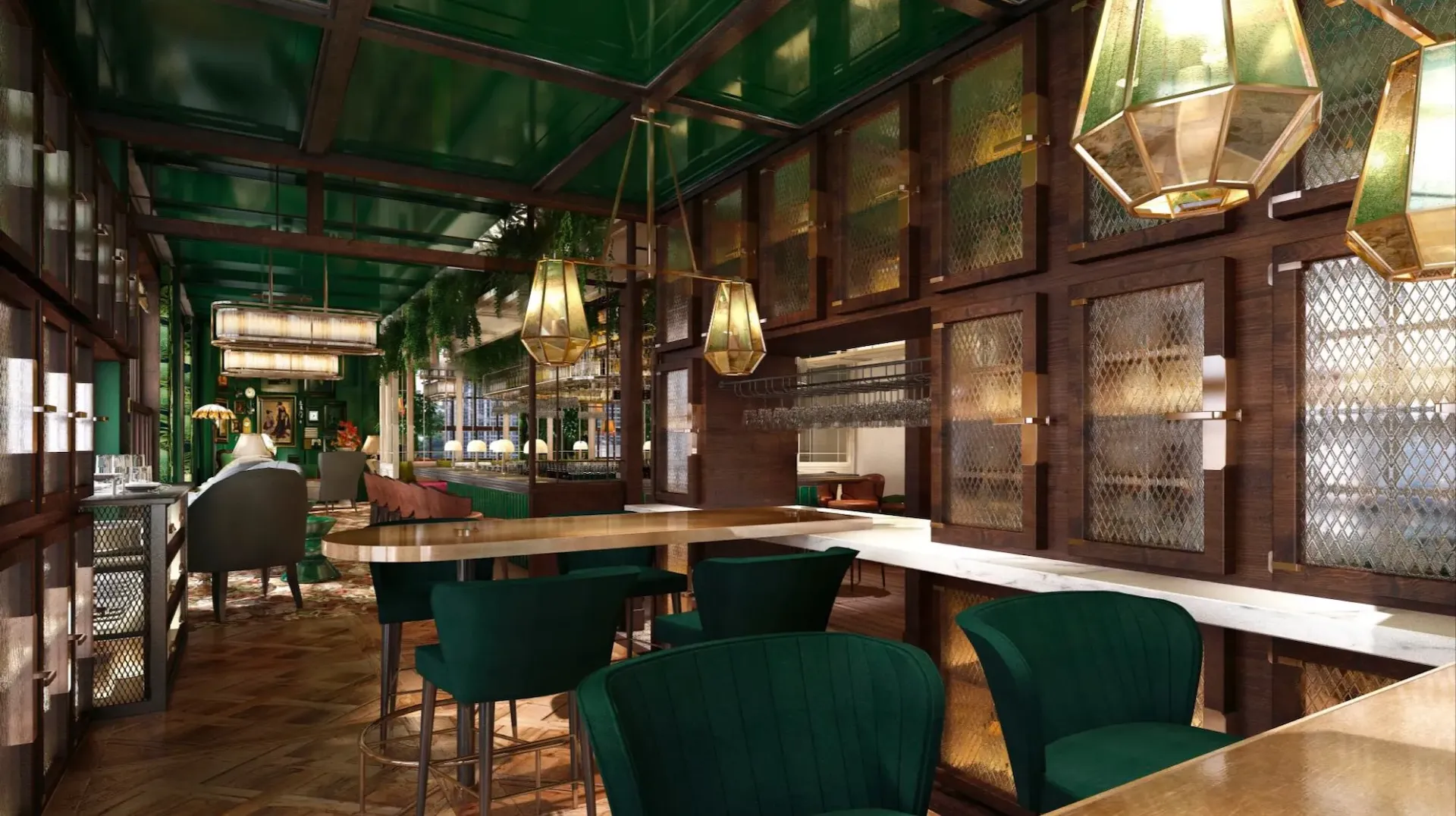
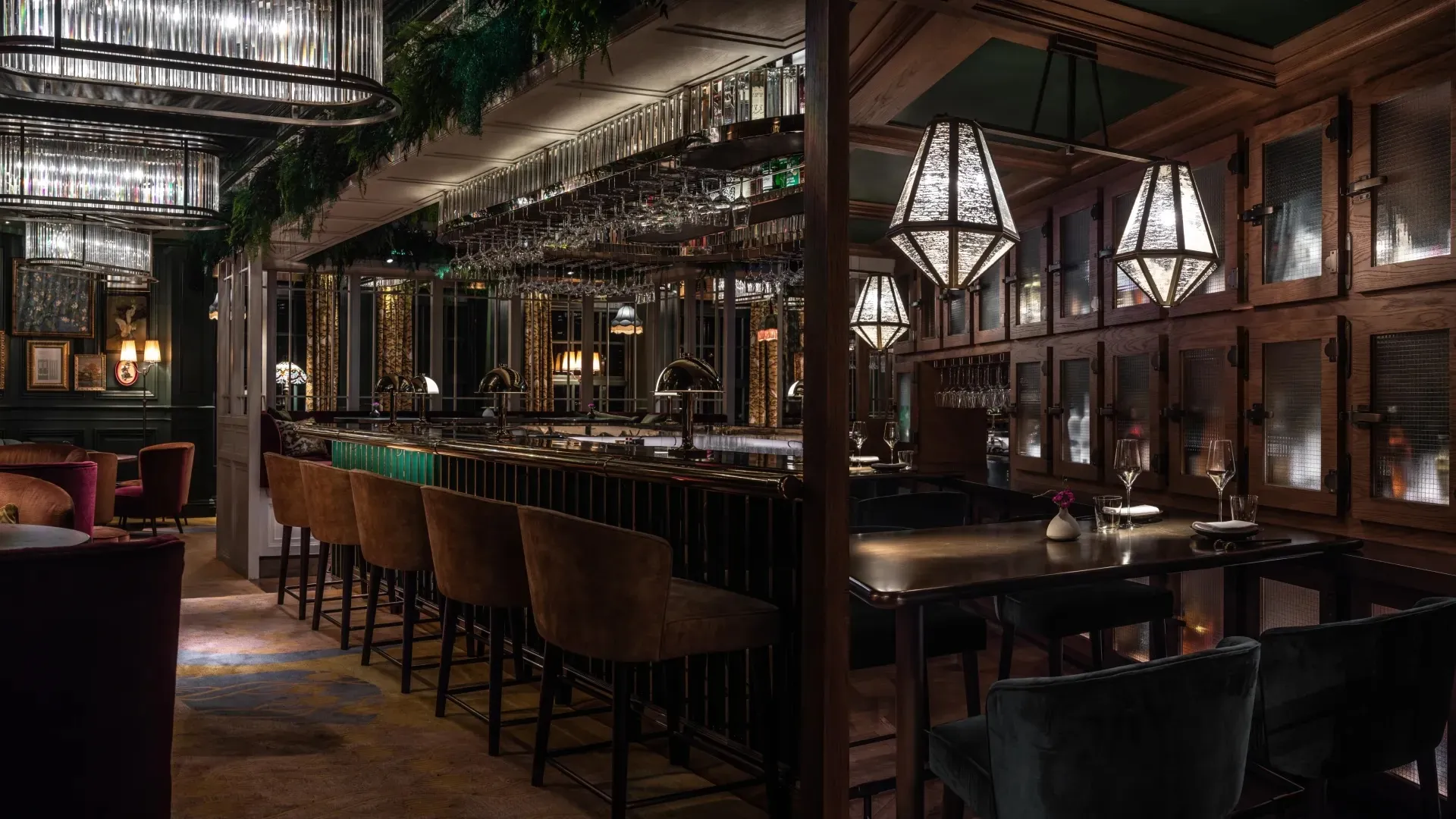
Picture the venue as if you are walking into an eccentric and flamboyant English gentleman’s manor. He has an obsession with all things Japanese. You see it in the design of his home; in his collection of ornaments, the afternoon tea he welcomes you with; the dinner he later serves you, and the drink mixed to accompany it.
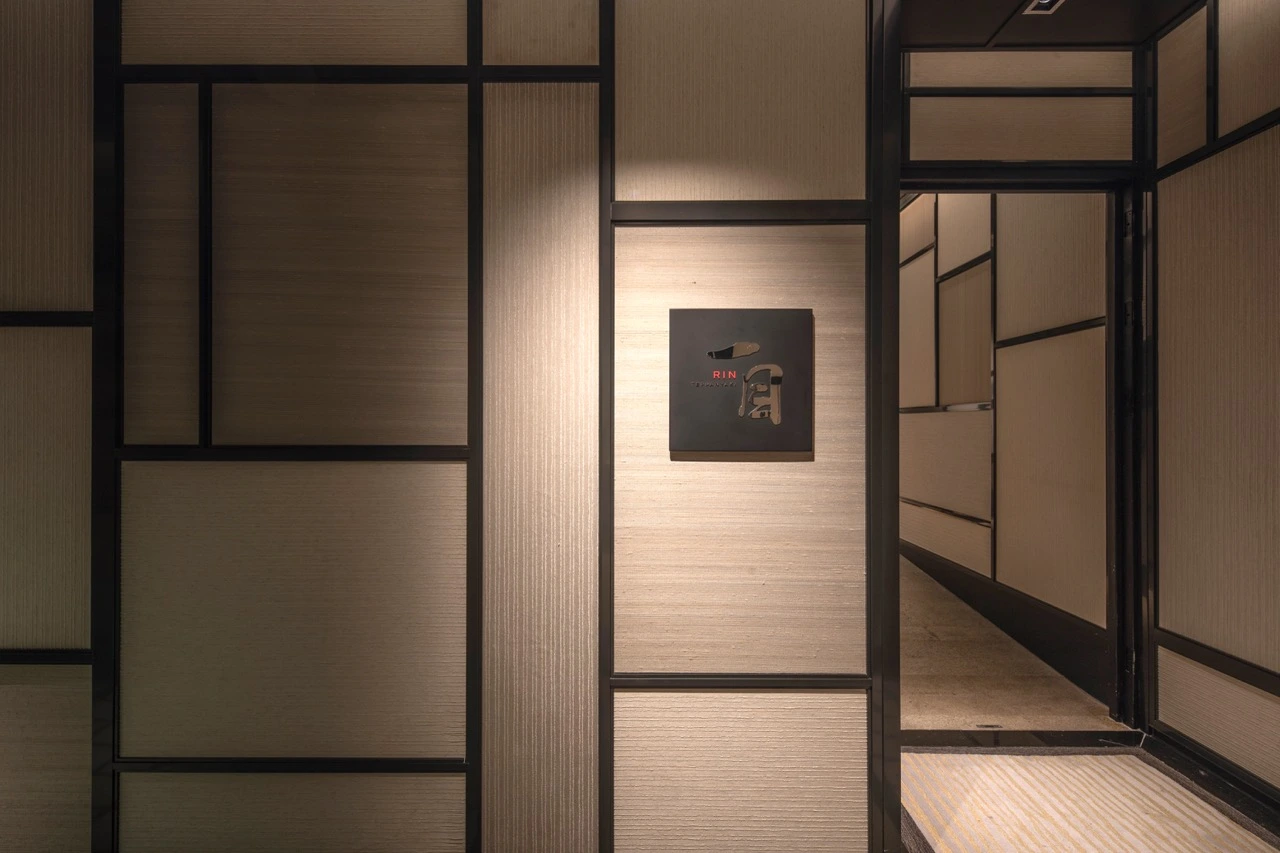
You see it all the way through to his invitation to join for an after-dinner cigar – only a select few are privy to this special courtesy – in his private room where he keeps his most prized Japanese possessions, and spends time in to gain inspiration for his work.
He is heavily influenced by an art movement…
.webp)
Japanese art gave rise to the new term “Japonisme” – the craze of all things Japanese. The popularity of Ukiyo-e was part of the phenomenon of Japonisme. When the borders of Japan opened for the first time in 200 years, Europe was fascinated. They became obsessed with all things Japanese.
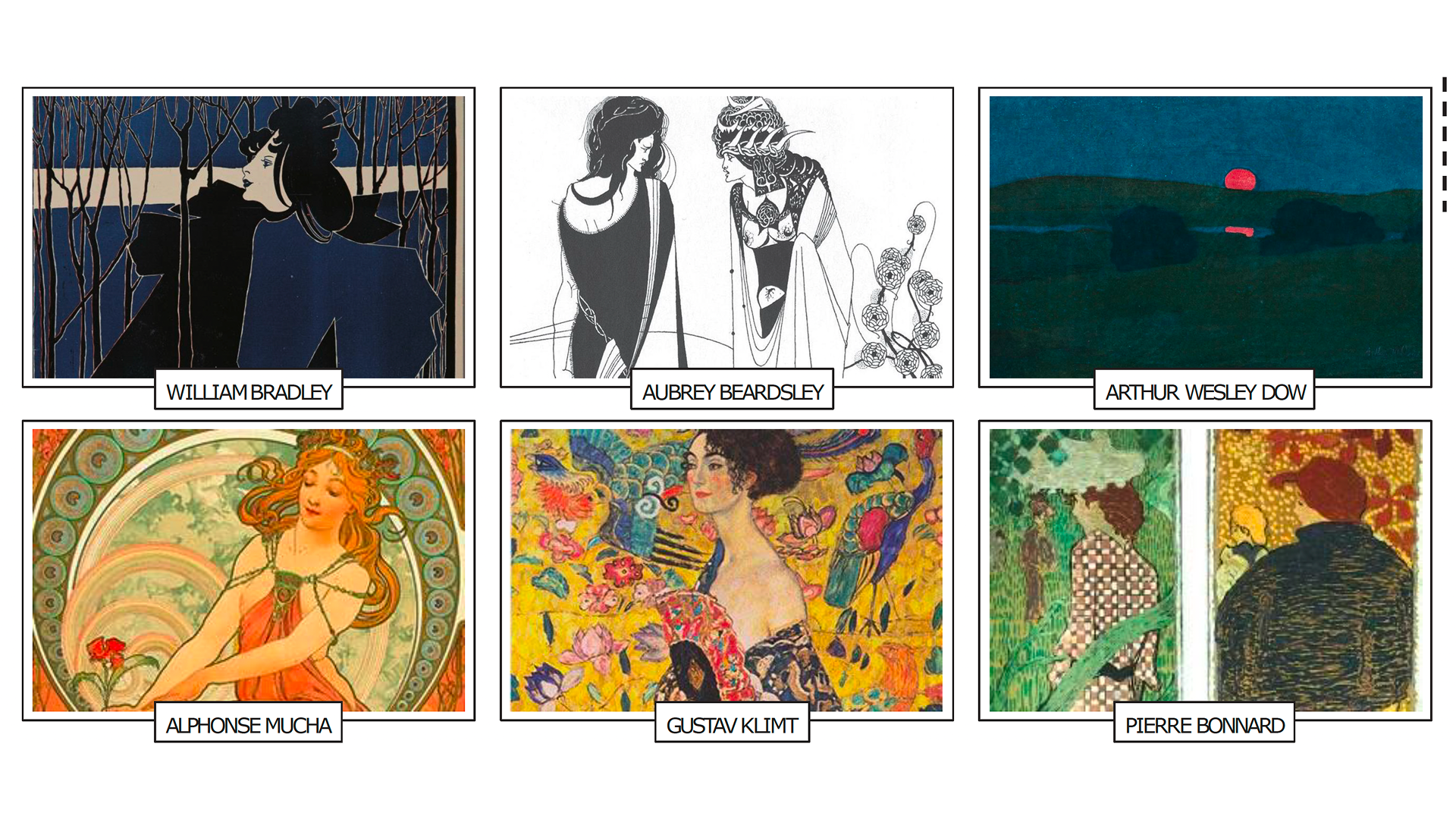
Many of the Impressionist and Neo-Impressionist artists, as well as the members of the Aesthetic movement, were deeply influenced by this new approach to representation, and started incorporating either iconography or concepts of Japanese art into European art and design.
Depicting the world through an alternate lens from the Western Renaissance. Within works from the Japonisme Art Movement, you will find traces of authentic influence as often as interpretations based on European notions of Japanese culture. Drawn to the vivid colors and new perspectives of Ukiyo-e art, European painters began to experiment with similar techniques. They copied the common juxtapositions of objects near and far, along with unconventional cropping to create less symmetry and more engaging compositions. Bright patterns of contrasting colors, simplified palettes, and flat planes reminiscent of woodblock prints all became central to modernist paintings.
The appeal of Japonism was paradoxical: it was both appreciated for its exoticism and quickly assimilated as the organic expression of Western artistic ideals. Elements of the Japanese style were considered to express French and British sensibilities, even when they remained identifiable as Asian influences.
.webp)
.webp)
.webp)
Described as having Japanese ink in his pen, Aubrey Vincent Beardsley was an eccentric British illustrator and author during the 19th century. Meticulous about his attire, he wore dove-grey suits, hats, ties, and yellow gloves, often appearing at his publisher’s in a morning coat and court shoes.
Beardsley’s contribution to the development of Art Nouveau and poster styles was significant, despite his early death. A leading figure in the Aesthetic Movement, alongside figures such as Oscar Wilde and Edgar Allan Poe, he illustrated Oscar Wilde’s play ‘Salomé’, as well as providing illustrations for Poe and many other notable authors. He was also associated with the homosexual clique that included Oscar Wilde and other English aesthetes, though the details of his sexuality remain in question.
Deeply influenced by the style of Japanese woodblocks, this influence is evident in the decadent and erotic nature of his artwork. So much so, he even used a Japanese woodblock symbol as his artwork signature, with his initials written beside it.
.webp)
.webp)
Japanese woodblock prints – called Ukiyo-e – captivated the Impressionists, and towards the end of the century many artists of the Art Nouveau (“New Art” in French) movement incorporated many Japanese art features into their own, including flatness, few or no shadows, bold crops of subject matter, and astounding lines.
Comparisons of Aubrey’s art and that of Ukiyo-e artists show a similarity in trying to convey the concentrated emotions behind the scenes or erotic situations in the plays. In other words, trying to illustrate the subtext hidden within the playwright’s work.
He is also rumoured to have inspired Japanese artists of the Taisho era (1912–26) with his art.
.webp)

.webp)