
Chinese lacquerware is one of the oldest decorative art forms in Asia, with origins dating back more than 7,000 years. Early lacquer objects were discovered in Neolithic archaeological sites across China, long before porcelain became globally associated with Chinese craftsmanship. Initially used for practical purposes such as bowls, containers and ceremonial objects, lacquer gradually evolved into a highly specialised decorative craft tied closely to status, imperial culture and architecture.
The material itself comes from the sap of the lacquer tree, primarily Toxicodendron vernicifluum, cultivated across parts of China, Japan and Korea. Once extracted, the sap undergoes filtering and refinement before being applied in multiple thin layers onto timber, fabric, bamboo or metal surfaces. Each layer requires controlled humidity and drying conditions, making lacquerwork an unusually labour-intensive process. High-quality lacquerware can involve dozens, and sometimes hundreds, of layered applications before polishing and finishing are completed.
Historically, lacquer became associated with wealth and authority due to the amount of time and craftsmanship required to produce it. During the Han, Tang and Ming dynasties, lacquer objects were commonly used within imperial courts, temples and aristocratic residences. Folding screens, ceremonial boxes, furniture and architectural surfaces often featured lacquer finishes combined with gold leaf, mother-of-pearl inlay or carved detailing.
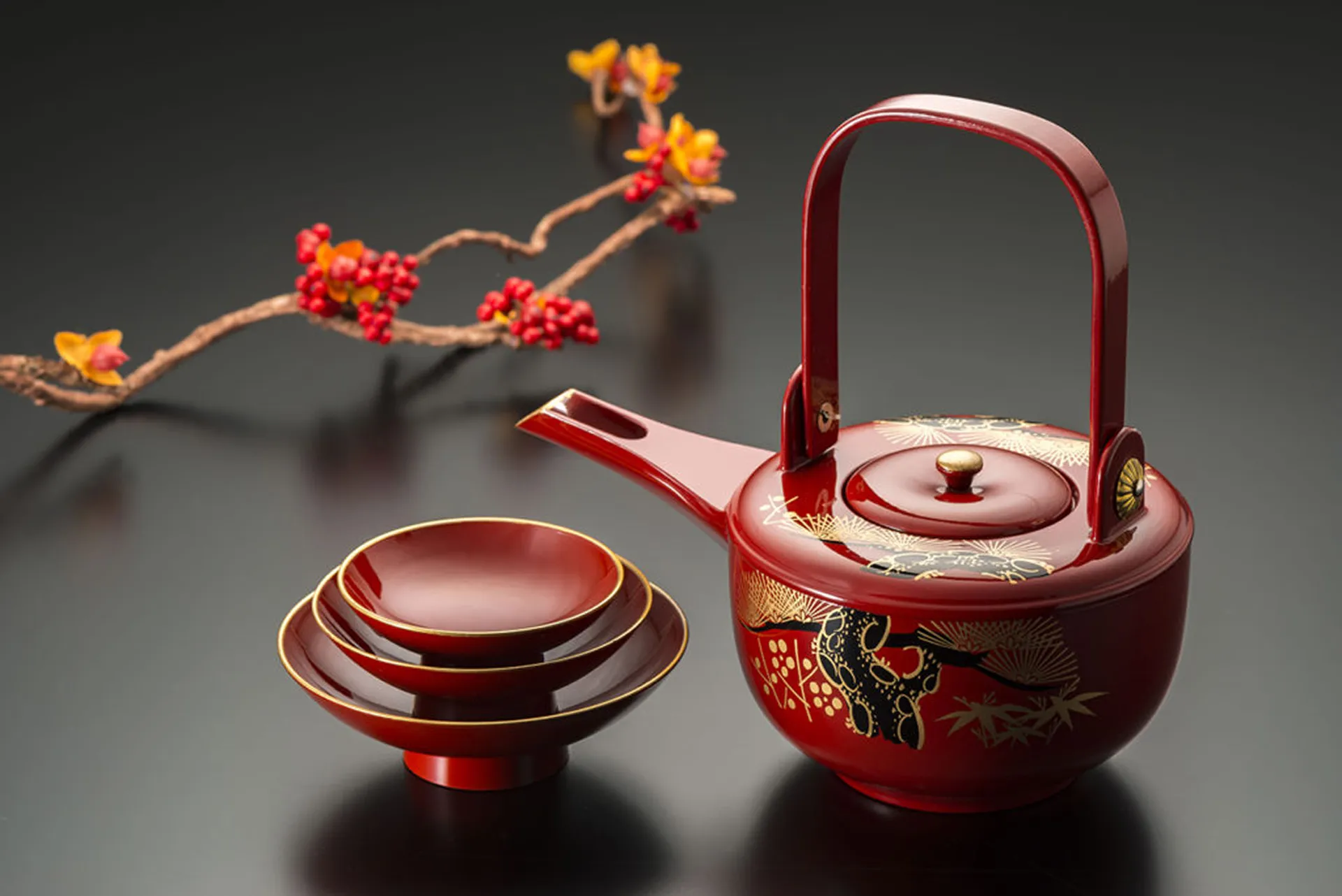
Beyond decoration, lacquer served practical functions within Chinese interiors. Once cured, lacquer creates a durable, moisture-resistant surface capable of withstanding humidity and age. In warmer regions of Southern China, where timber furniture and architectural surfaces were vulnerable to moisture, lacquer provided both protection and longevity. Over time, however, lacquer evolved into something more atmospheric and symbolic. Deep black and red lacquer finishes became strongly associated with formality, ceremony and prestige. Reflective lacquer surfaces also interacted uniquely with candlelight and later electric lighting, creating interiors with depth, softness and controlled reflection.
Unlike mirrored surfaces that produce direct and sharp reflections, lacquer diffuses light more subtly. This softer reflectivity became an important characteristic within Chinese interiors, particularly in hospitality and ceremonial spaces where atmosphere and visual layering played a significant role. Red lacquer in particular carried strong cultural symbolism. In Chinese culture, red has historically represented prosperity, celebration and good fortune, which explains its widespread use in temples, banquet halls and formal interiors. Black lacquer, meanwhile, became associated with restraint, hierarchy and sophistication, particularly within scholar interiors and high-status furniture.
One of the less commonly discussed aspects of lacquerware is its relationship with reflection and spatial perception. Lacquer changes how light behaves within an interior. Instead of producing clear mirrored images, polished lacquer absorbs, softens and redistributes light across surfaces, creating depth rather than direct brightness. This quality became especially important within traditional Chinese architecture, where interiors were often illuminated by lanterns, candles and filtered daylight rather than strong direct lighting. Reflective lacquer surfaces helped amplify ambient light while maintaining a sense of intimacy within the space.
In contemporary interior design, this characteristic remains highly relevant. Luxury hospitality environments frequently use lacquer to introduce visual richness without relying heavily on ornamentation. A dark lacquered wall or ceiling can create a layered sense of depth that changes throughout the day as lighting conditions shift. This relationship between material and light is particularly important in restaurants, bars and private dining environments, where atmosphere depends heavily on controlled illumination. Reflective finishes allow spaces to feel visually active even under lower lighting levels, contributing to a more intimate dining environment.
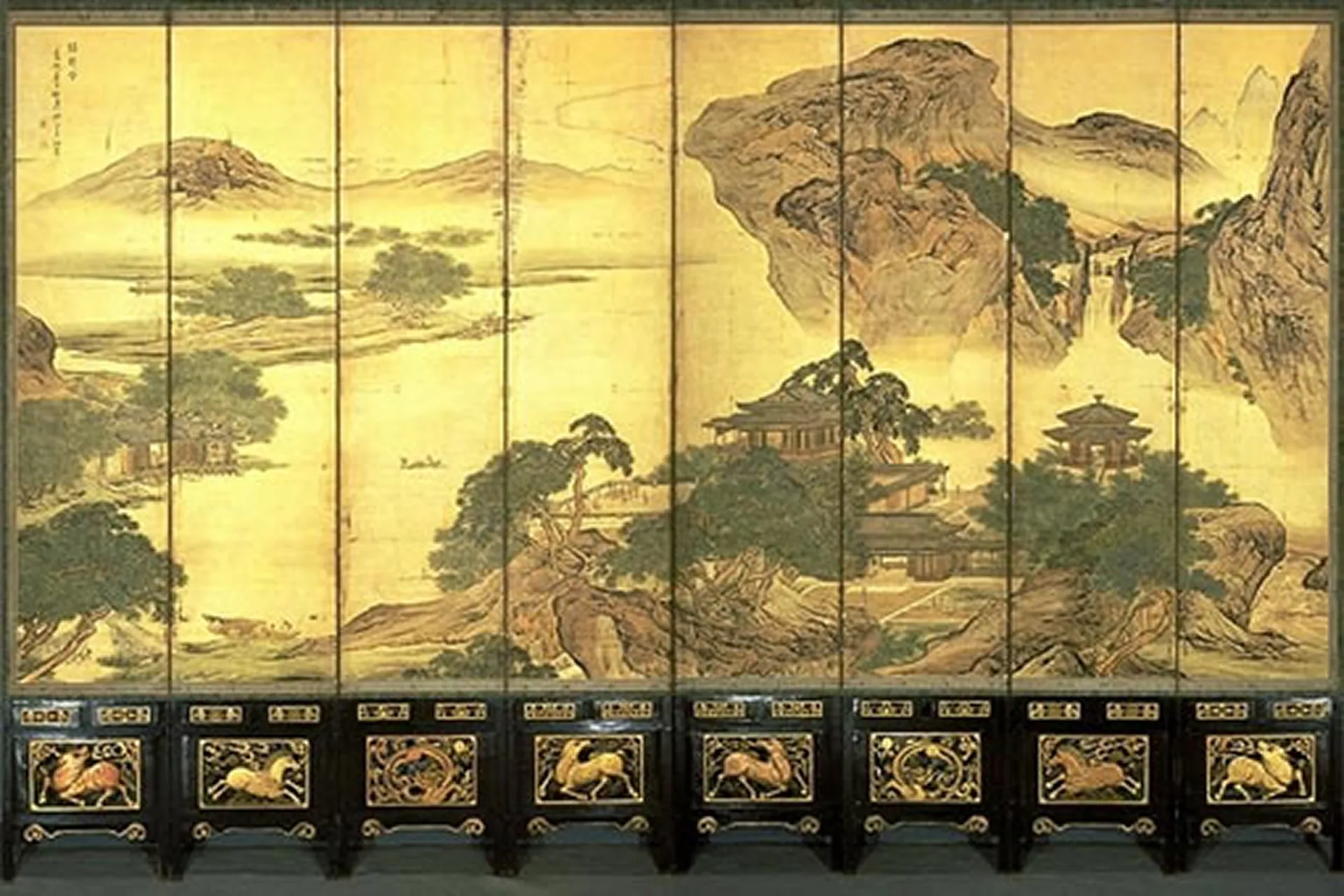
Chinese lacquerware encompasses a wide range of techniques developed over centuries. One of the most recognised methods is carved lacquer, where multiple thick layers of lacquer are applied before being deeply carved into decorative scenes, landscapes or symbolic motifs. This process could require months of preparation due to the drying time needed between applications. Another important technique involves inlay work using materials such as mother-of-pearl, jade, silver or gold. These decorative inserts created highly detailed surfaces that reflected both craftsmanship and wealth. Folding screens from the Ming and Qing dynasties often combined lacquer with landscape painting, calligraphy and intricate inlay work, blurring the line between furniture and artwork.
Coromandel lacquer, which became popular in Europe during the 17th and 18th centuries, is another significant chapter in lacquer history. Large Chinese lacquer screens exported to Europe heavily influenced Western interior decoration and contributed to the rise of Chinoiserie across aristocratic interiors in Britain and France. Lacquer also influenced furniture proportions and detailing. Many traditional Chinese cabinets, consoles and scholar desks relied on clean silhouettes and restrained forms, allowing the material finish itself to become the primary visual feature rather than excessive ornamentation.
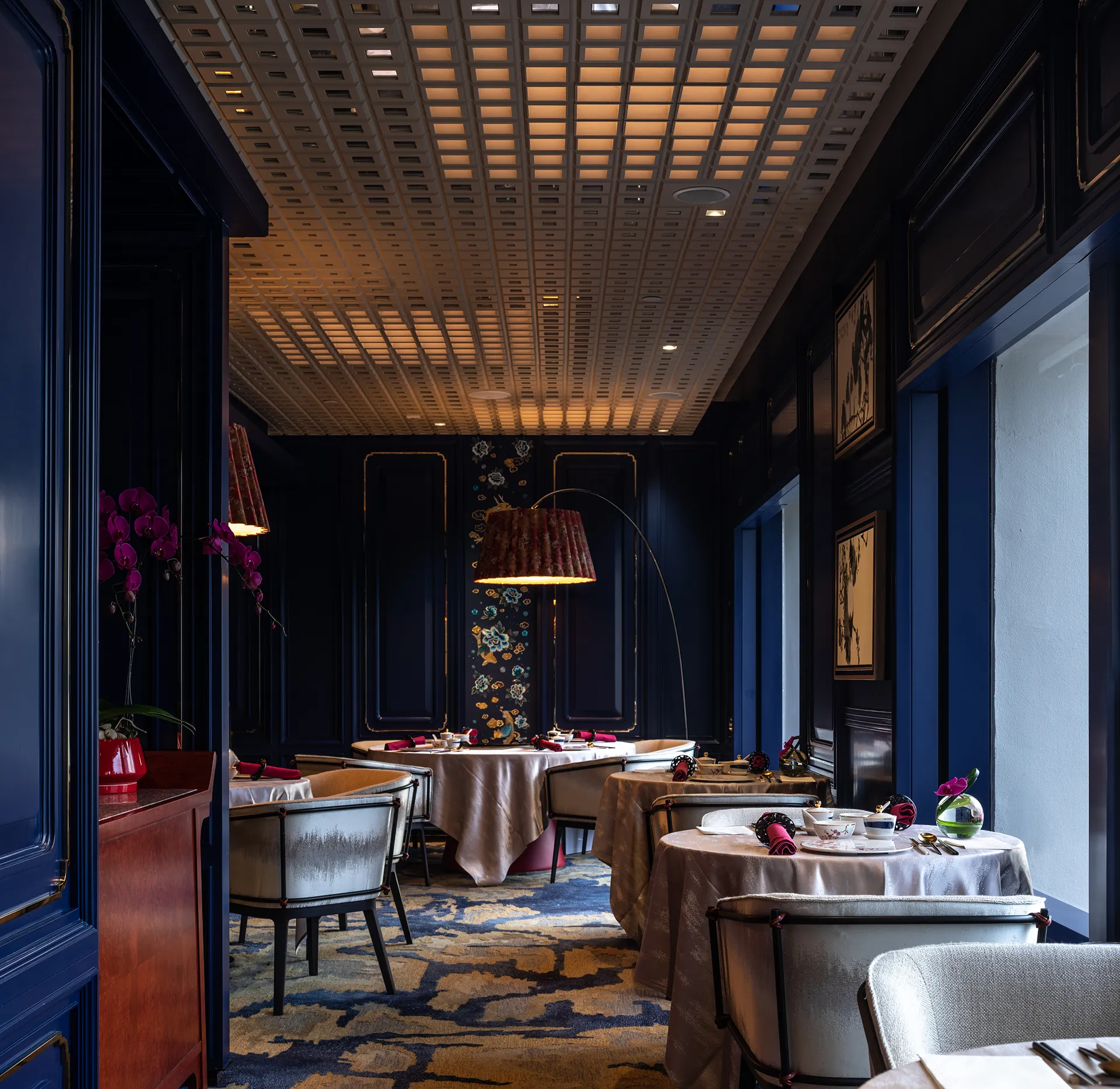
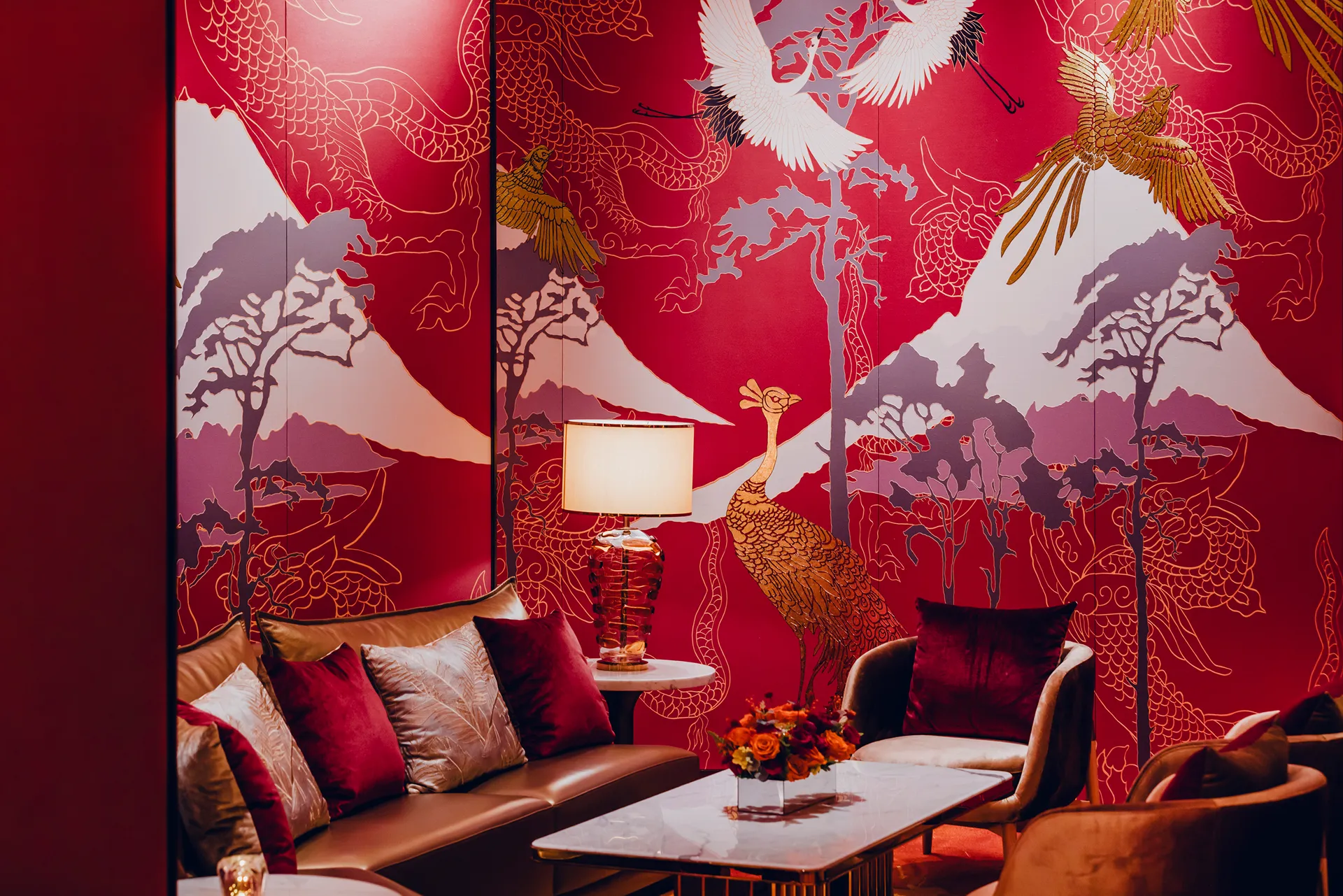
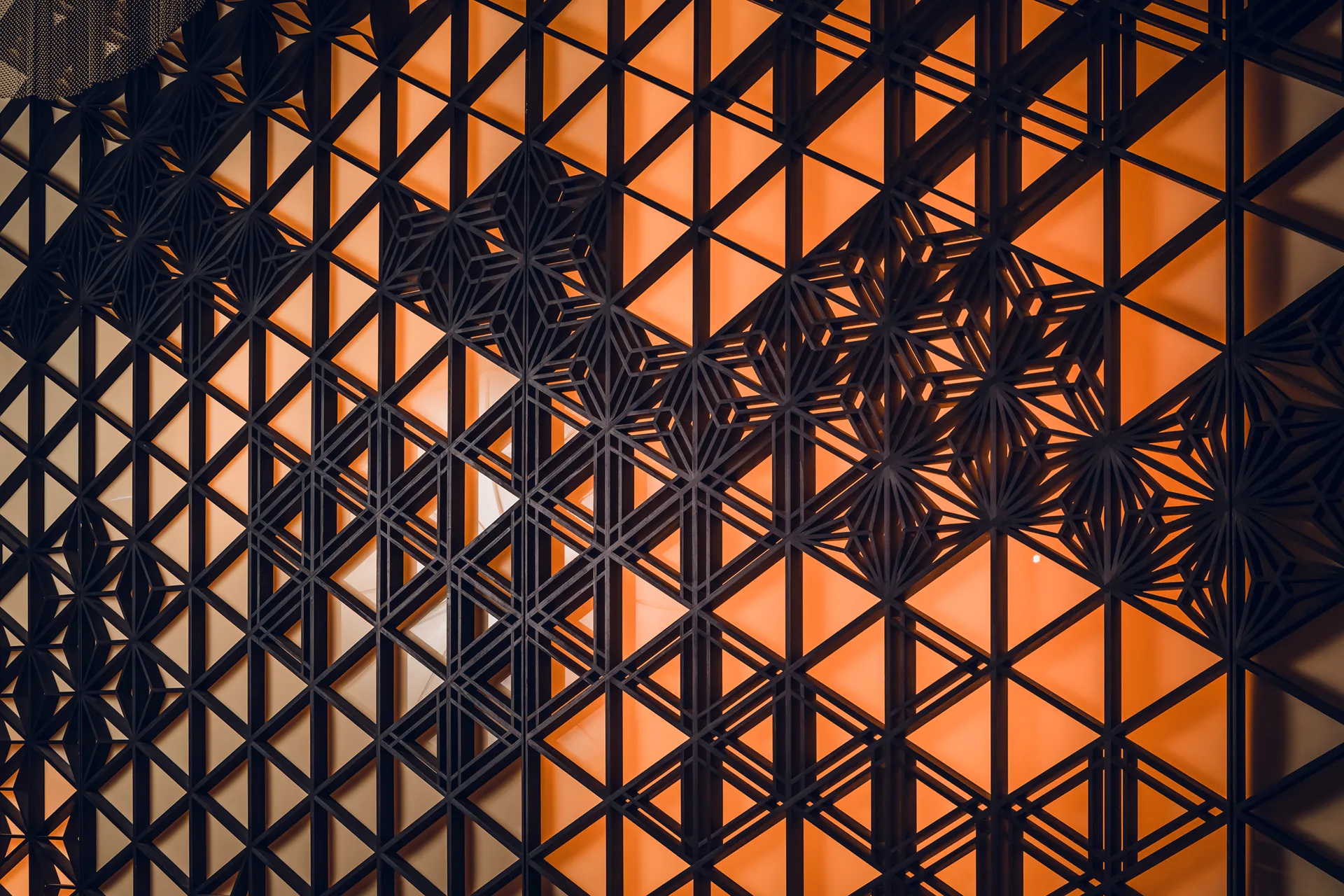
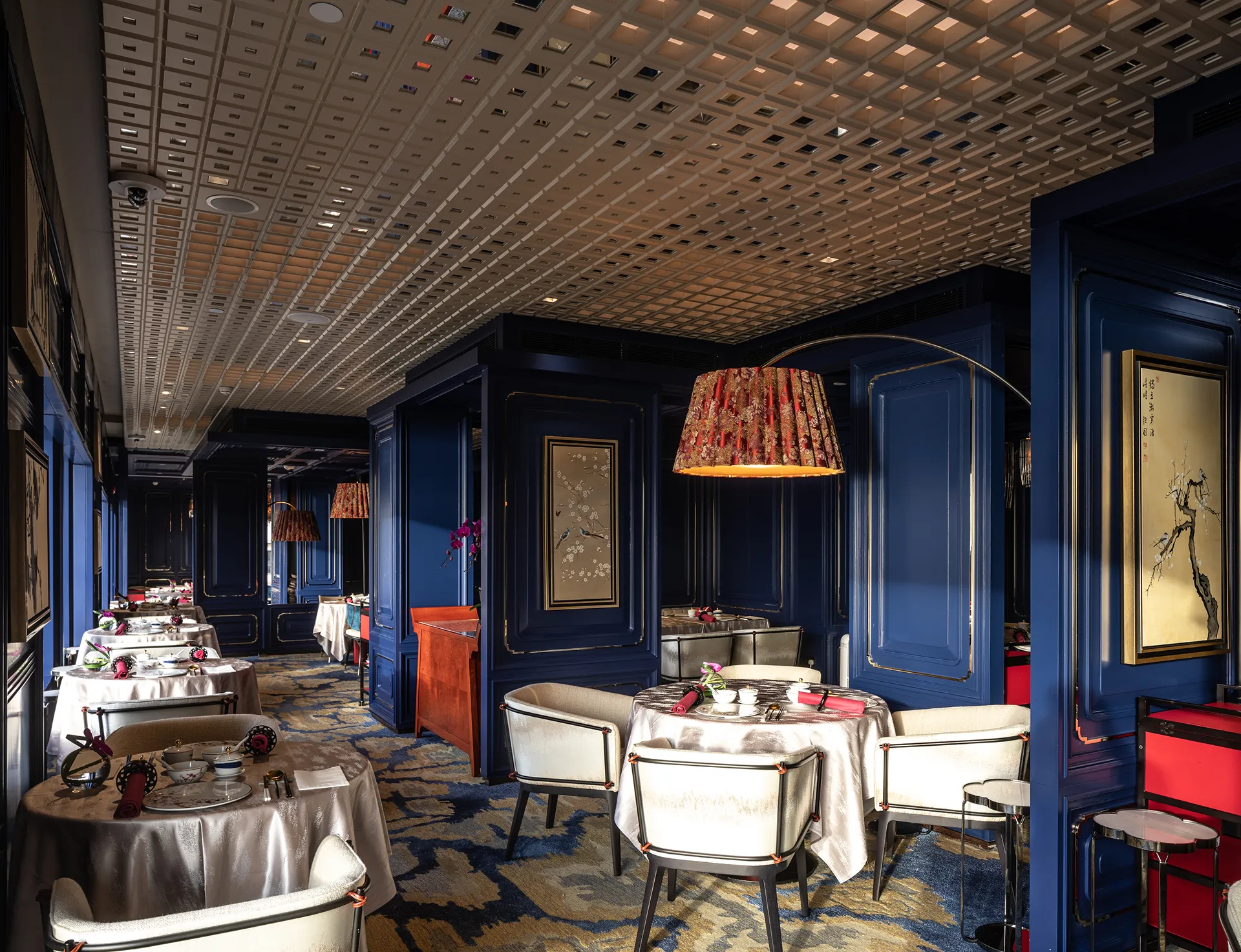
Today, lacquer continues to appear frequently in luxury hospitality interiors, particularly within restaurants, cocktail bars and private dining spaces influenced by East Asian design traditions. The material carries strong historical associations with craftsmanship, ceremony and refinement while also functioning effectively within contemporary architectural environments. In hospitality settings, lacquer is often used to create darker, more controlled atmospheres where light reflection becomes part of the spatial experience. Deep red, black or oxblood lacquer finishes can absorb ambient lighting during the day while producing warmer reflections in evening conditions. This quality makes lacquer particularly suited to restaurants and lounges designed around slower dining experiences and lower lighting levels. At Man Wah within Mandarin Oriental Hong Kong, lacquered surfaces and illuminated detailing contribute to an interior atmosphere that feels both restrained and ceremonial, reinforcing the relationship between materiality, reflection and Cantonese fine dining traditions.
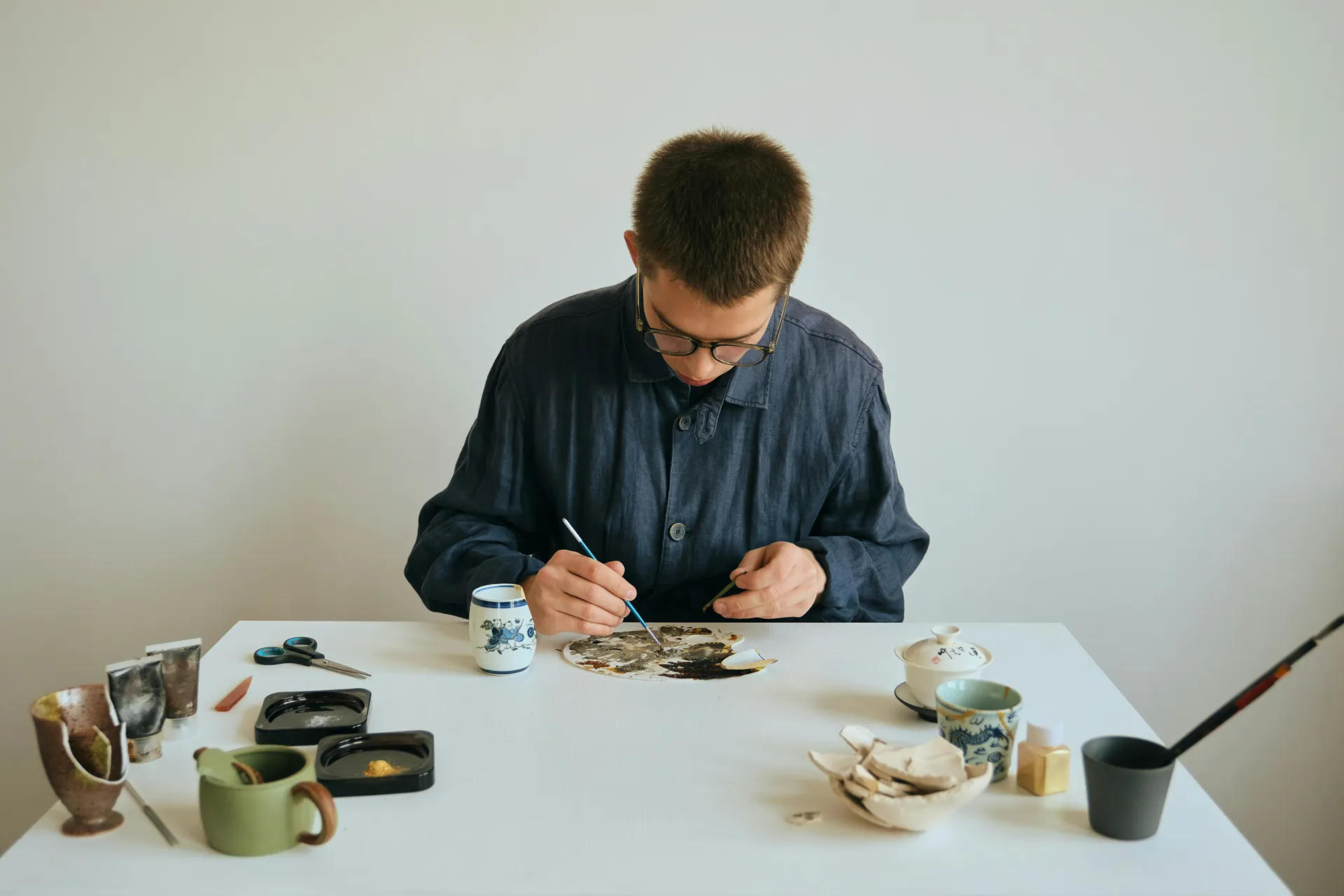
Lacquer also supports visual layering within interiors. Reflections from candles, table lamps, glassware and city lights create subtle movement across polished surfaces, making spaces feel visually active without requiring large decorative gestures. In many contemporary hospitality environments, lacquer is used less as historical reproduction and more as a material strategy for creating depth and atmosphere. Another reason lacquer remains relevant is its relationship with craftsmanship. In an era where many interiors rely heavily on industrial finishes and synthetic materials, lacquer still suggests hand-finishing, labour and process. Even contemporary lacquer applications often reference historical craft traditions associated with patience, layering and technical skill.