During the second half of the nineteenth century, Europe experienced a profound fascination with Japanese art and culture that would permanently alter the direction of Western design. This movement became known as Japonisme, a term used to describe the influence of Japanese aesthetics on Western art, fashion, interiors, architecture and decorative culture following Japan’s reopening to international trade in the 1850s.
%20dispatched%20to%20Japan.webp)
Before this period, Japan had remained largely isolated from the West for more than two centuries under the Tokugawa shogunate. Foreign trade was heavily restricted, and Japanese visual culture remained relatively unknown outside small trading circles. That changed in 1853 when American naval forces led by Commodore Matthew Perry arrived in Japan, pressuring the country to open its ports to international commerce. Within years, Japanese goods began arriving in Europe in growing quantities through exhibitions, collectors, galleries and trade routes. At first, many Japanese objects entered Europe almost accidentally. Woodblock prints were sometimes used merely as wrapping paper for ceramics and exported goods. Yet artists quickly recognised that these prints carried an entirely different visual language from the traditions dominating European painting at the time.

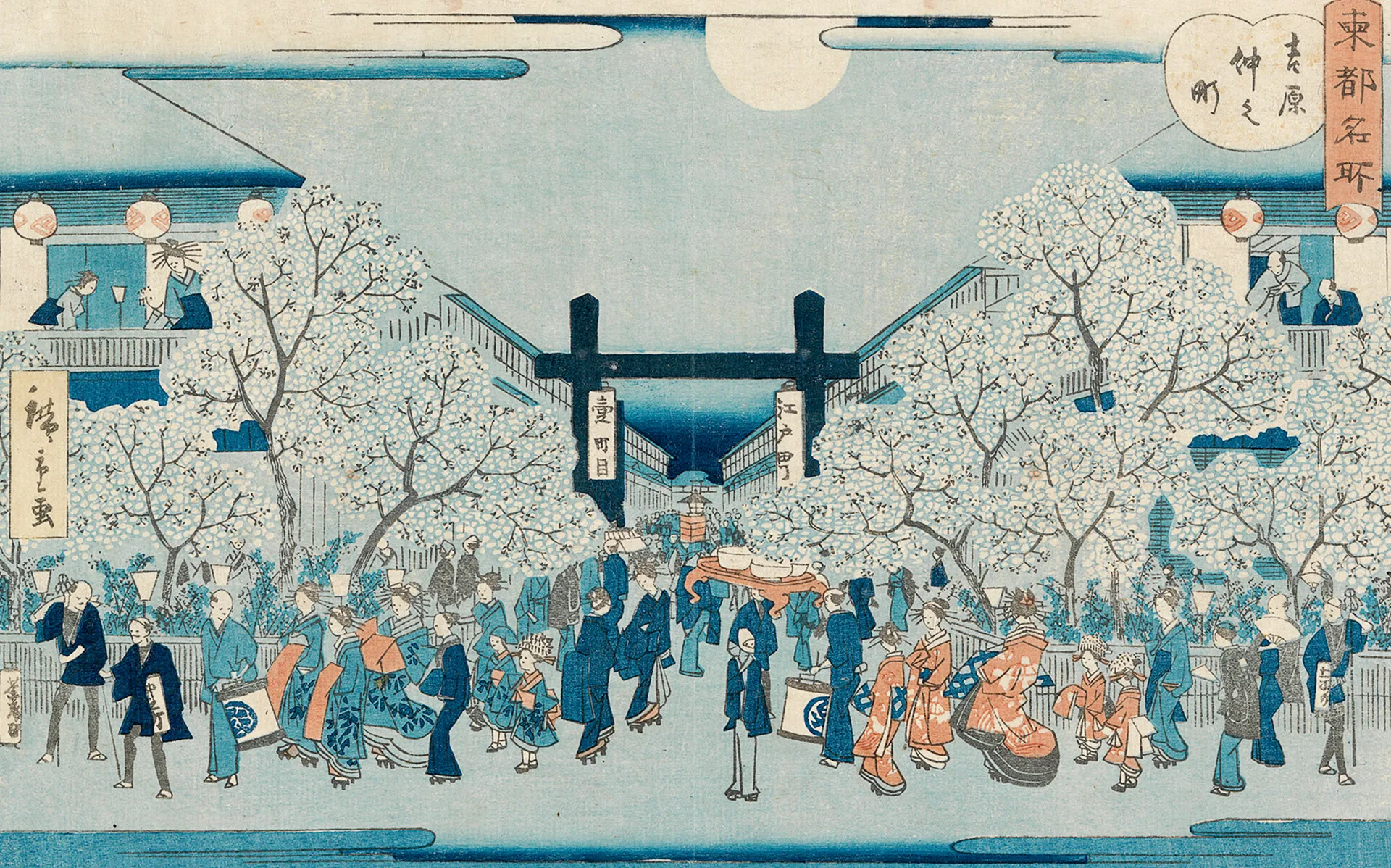
Nineteenth-century European art was heavily shaped by realism, perspective and academic composition. Japanese woodblock prints, particularly ukiyo-e works produced during the Edo period, approached image-making very differently. Rather than prioritising realistic depth or classical proportion, Japanese prints often embraced asymmetry, flat colour fields, cropped compositions and highly controlled negative space. Subjects were framed in unexpected ways. Figures could extend beyond the edge of the image. Large areas might remain intentionally empty. Pattern and silhouette became just as important as realism.
This challenged many assumptions that European artists had inherited through centuries of academic tradition. The work of Japanese artists including Katsushika Hokusai, Utagawa Hiroshige and Kitagawa Utamaro introduced Western audiences to a visual language built around atmosphere, rhythm and composition rather than strict realism. Rainstorms, bridges, gardens, courtesans, actors and landscapes were depicted with an immediacy that felt remarkably modern. For Western artists searching for alternatives to rigid academic conventions, Japanese art offered a completely new direction.

Paris quickly became the centre of Japonisme in Europe. Japanese objects appeared at world fairs, specialist shops and collector exhibitions throughout the city during the late nineteenth century. Wealthy collectors and artists filled their homes with folding screens, ceramics, textiles, lacquerware and woodblock prints. The French critic Philippe Burty formally coined the term “Japonisme” in 1872 to describe this growing cultural movement. Soon, Japanese influence could be seen across multiple creative disciplines. Artists began incorporating Japanese compositional techniques into painting and illustration, while designers and architects explored Japanese approaches to ornament, materiality and spatial balance.
Painters including Claude Monet and Edgar Degas collected Japanese prints extensively. Monet famously filled his garden at Giverny with Japanese references, including bridges and water gardens inspired by the imagery he admired. Meanwhile, Vincent van Gogh studied Japanese prints obsessively. He copied works by Hiroshige directly in paint, fascinated by their bold outlines, flattened perspective and expressive colour. Japanese influence also spread into graphic design, furniture, theatre staging and fashion illustration. Flowing linework, organic asymmetry and decorative layering became increasingly prominent throughout European Art Nouveau. Japonisme was no longer simply about collecting Japanese objects. It became a broader shift in how artists understood composition, beauty and atmosphere.
Much of the fascination surrounding Japonisme centred on ukiyo-e prints, often translated as “pictures of the floating world”. Produced primarily during the Edo period, ukiyo-e depicted scenes from urban life, entertainment districts, theatre culture and seasonal landscapes. Kabuki actors, geishas, travellers, gardens and nightlife all appeared frequently within the prints. These works were widely accessible in Japan and were not originally considered elite fine art in the Western sense. Yet European audiences viewed them very differently. To many collectors and artists, they represented refinement, mystery and artistic freedom.
The concept of the “floating world” itself became deeply influential. It described a transient urban culture built around pleasure, performance, nightlife and fleeting beauty. This atmosphere fascinated many artists and writers in Europe during the late nineteenth century, particularly within the Decadent movement. Japanese aesthetics therefore influenced not only visual composition, but also ideas surrounding experience, mood and escapism.

Among the artists deeply shaped by Japonisme was Aubrey Beardsley. Although Beardsley’s work also drew from symbolism, medieval imagery and Rococo ornamentation, Japanese influence played a major role in defining his visual language. His illustrations relied heavily on asymmetrical composition, graphic contrast and disciplined linework reminiscent of Japanese woodblock prints. Rather than using heavy Western modelling and realism, Beardsley embraced flatness and silhouette. Figures often appear elongated and theatrical, surrounded by decorative patterning and carefully controlled negative space. Many compositions feel intentionally cropped, echoing the framing techniques seen in ukiyo-e.
This influence became especially visible in his illustrations for Salomé by Oscar Wilde, where Japanese-inspired linework merged with sensuality, symbolism and psychological tension. What made Beardsley unusual was the way he fused Japanese aesthetics with the darker atmosphere of late Victorian culture. His work did not imitate Japan directly. Instead, it translated Japanese visual principles into something theatrical, provocative and distinctly modern. Through Beardsley and many of his contemporaries, Japonisme became tied not only to art, but to nightlife, performance and the idea of immersive cultural experience.
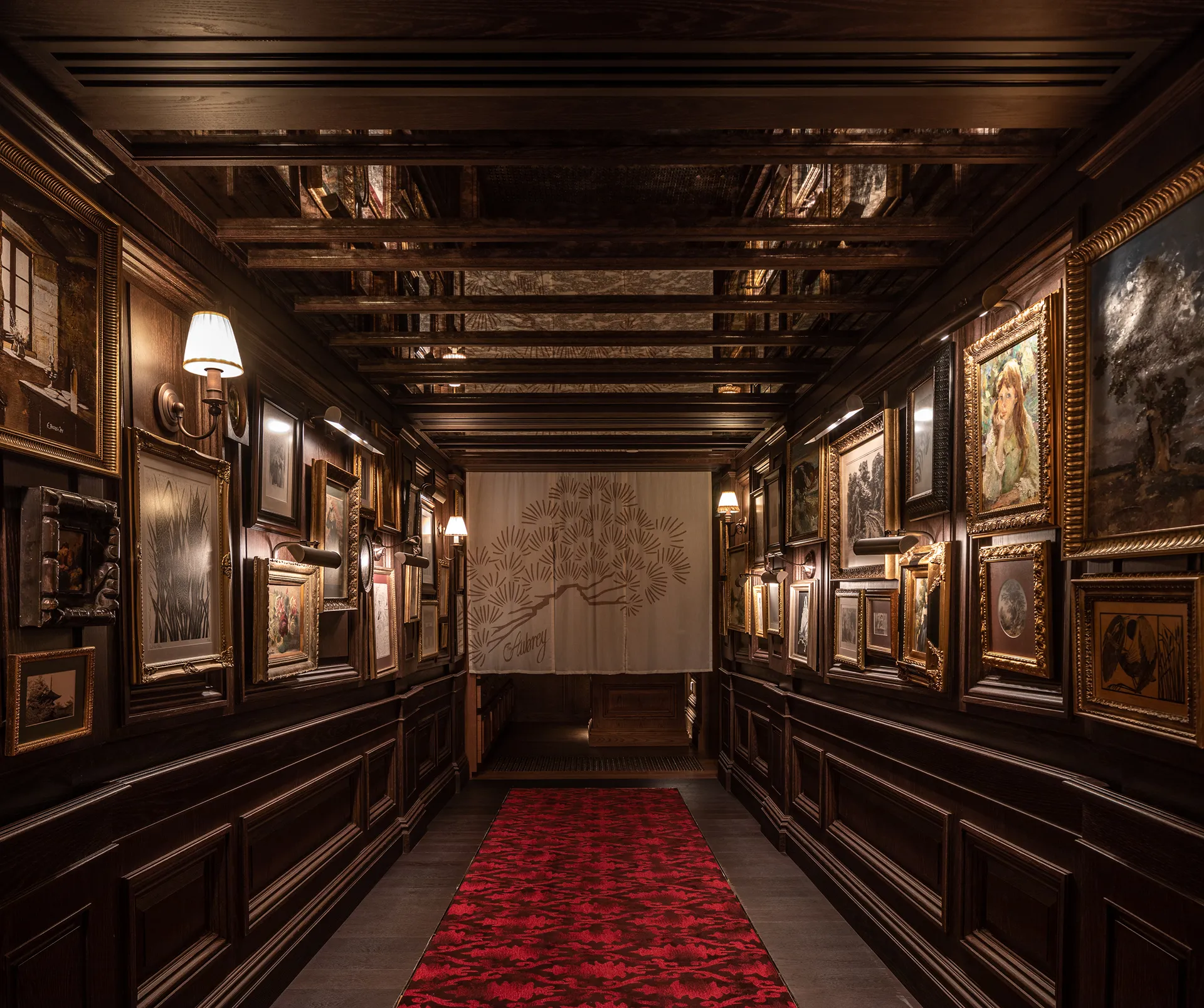
The influence of Japonisme extended far beyond galleries. Interior designers and architects throughout Europe began adopting Japanese ideas surrounding simplicity, craftsmanship and spatial balance. Rooms became lighter and less crowded compared to heavily ornamented Victorian interiors. Natural materials, screens, layered textures and asymmetrical arrangements grew increasingly popular. Furniture designers explored cleaner lines and visible craftsmanship. Decorative arts incorporated Japanese motifs including cranes, waves, bamboo and floral forms. Textiles and ceramics borrowed heavily from Japanese pattern composition.
The movement also helped shape Art Nouveau, particularly through its emphasis on flowing linework and organic form. Designers such as Hector Guimard and Alphonse Mucha absorbed many of these ideas into their work. Importantly, Japonisme changed Western attitudes toward design itself. Objects previously considered decorative or functional became appreciated as complete artistic compositions. Craftsmanship, atmosphere and material sensitivity gained new importance. These ideas continue to influence contemporary hospitality design today, particularly within restaurants and bars where storytelling and layered sensory experience are central to the guest journey.
Although Japonisme emerged during the nineteenth century, its influence never truly disappeared. Modern graphic design still relies heavily on many principles introduced through Japanese art:
Fashion, architecture, editorial design and contemporary interiors continue revisiting Japanese aesthetics because of their clarity and restraint. At the same time, the cultural atmosphere associated with Japonisme also remains influential. The idea of carefully constructed environments shaped around ritual, theatre, craftsmanship and sensory experience continues to resonate strongly within luxury hospitality and dining culture. Today, Japanese influence within restaurants and bars often extends beyond cuisine itself. It shapes lighting, spatial rhythm, material selection, presentation and guest interaction. This broader cultural legacy helps explain why Japonisme continues appearing within contemporary hospitality narratives.
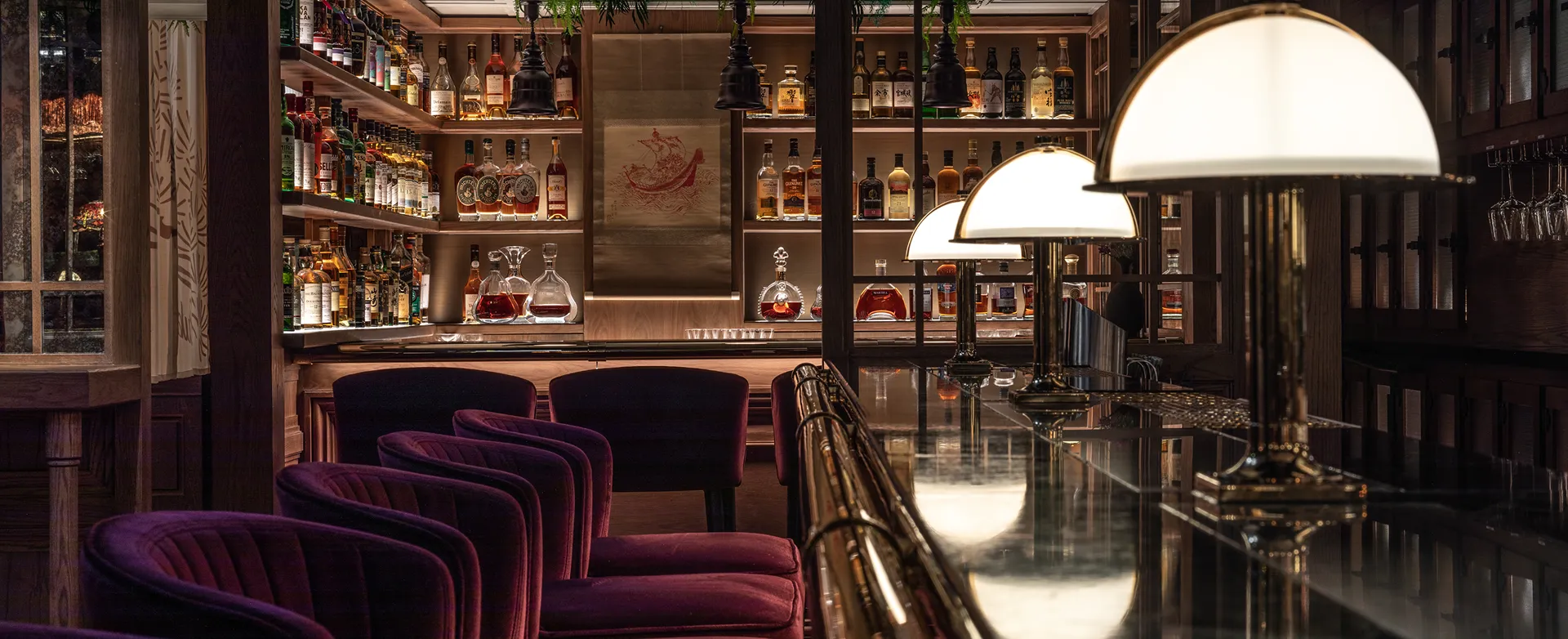
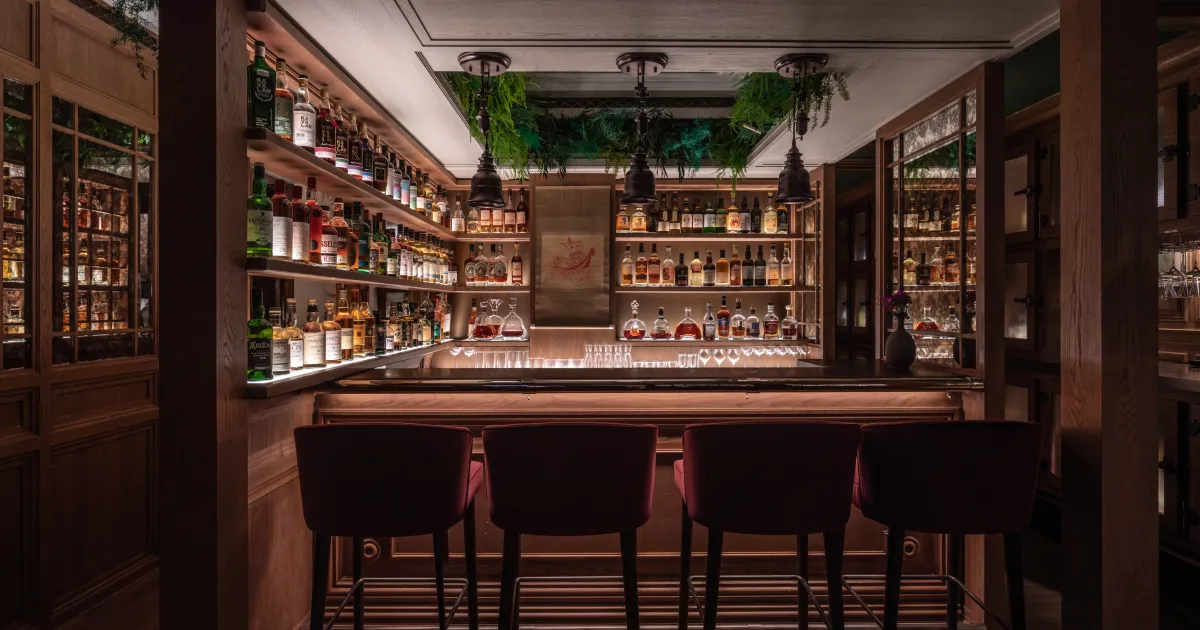
At The Aubrey inside Mandarin Oriental Hong Kong, the influence of Japonisme can be understood not as historical imitation, but as cultural continuation. The venue combines Japanese dining culture, cocktail craftsmanship, music and layered interiors into an atmosphere shaped around discovery and theatrical experience. Rather than relying on literal references alone, the space reflects many of the broader artistic principles that emerged through Japonisme during the nineteenth century. There is a strong emphasis on composition, contrast, mood and visual rhythm. Lighting, decorative detail and spatial layering are carefully orchestrated to create moments of intimacy and spectacle throughout the venue. This approach mirrors the way Japanese aesthetics influenced artists like Aubrey Beardsley more than a century earlier.
The connection becomes particularly relevant in Hong Kong, a city historically shaped by the meeting of East and West. Just as Japonisme introduced Japanese culture to European audiences in new ways during the nineteenth century, venues such as The Aubrey continue reinterpreting Japanese influence through contemporary hospitality today. Rather than treating Japanese aesthetics as static tradition, the restaurant reflects their ongoing ability to evolve, travel and inspire across cultures and generations.