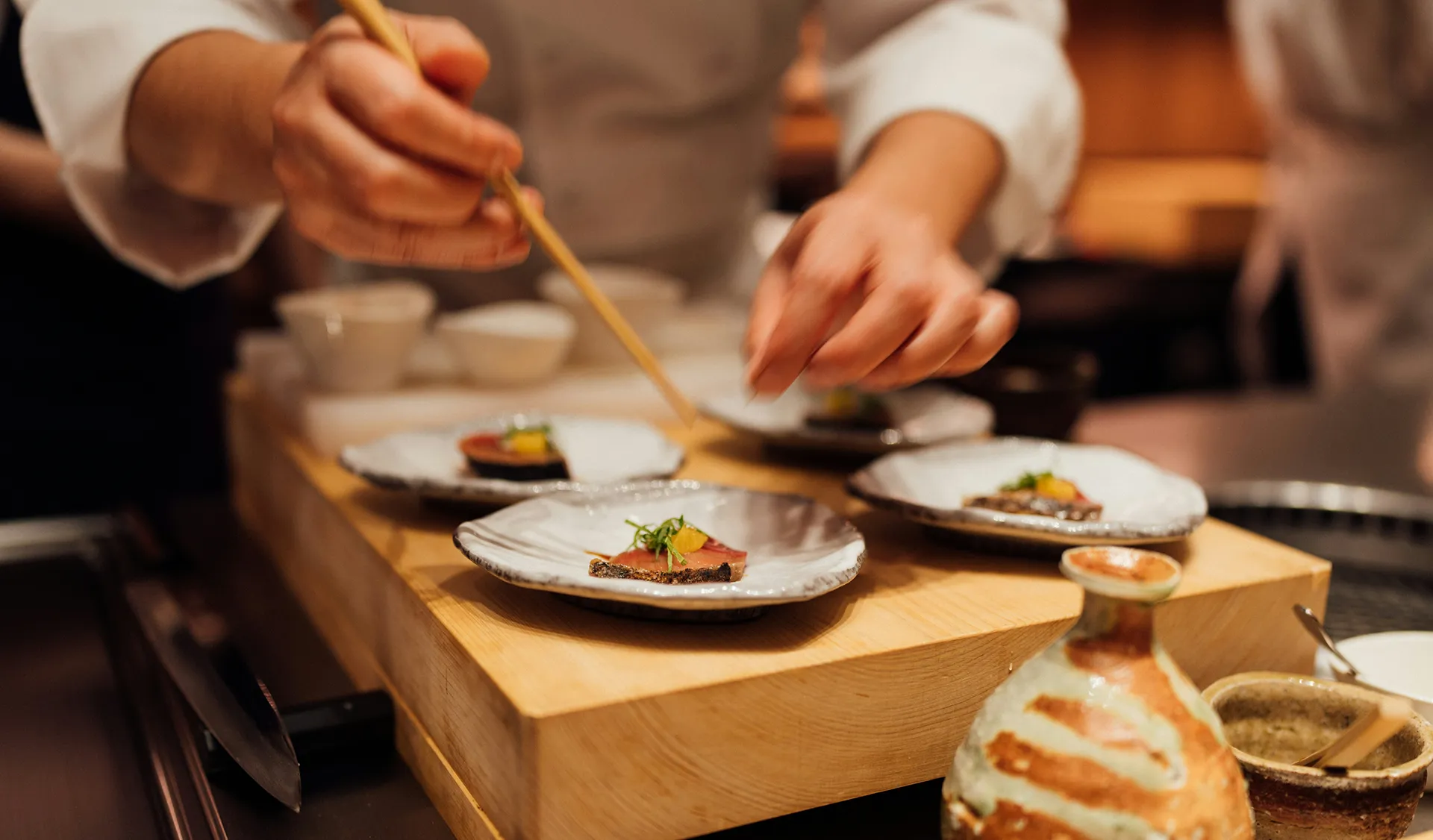
Few cuisines are as closely tied to the identity of a city as Cantonese cuisine is to Hong Kong. For much of the twentieth century, the development of Hong Kong’s hospitality industry, luxury hotels and business culture evolved alongside the international growth of Cantonese dining. Restaurants became more than places to eat. They functioned as settings for negotiations, celebrations, family gatherings and diplomatic hosting, shaping the city’s social culture as much as its culinary reputation.

Cantonese cuisine originates primarily from Guangdong Province in Southern China, particularly Guangzhou, historically known to Western traders as Canton. The region’s proximity to ports and trade routes exposed it to imported ingredients, foreign influence and a wider range of produce than many inland Chinese provinces. This access contributed to the diversity of Cantonese cooking and its long-standing emphasis on freshness, seafood and technical precision.
Hong Kong’s transformation into a major international trading hub after the Second World War accelerated the global visibility of Cantonese cuisine. As international businesses, shipping companies and financial institutions established themselves in the city during the 1950s through 1980s, luxury hotels became important social and commercial venues. Cantonese restaurants inside these hotels emerged as symbols of status and hospitality, hosting both local elites and international guests unfamiliar with regional Chinese dining traditions.
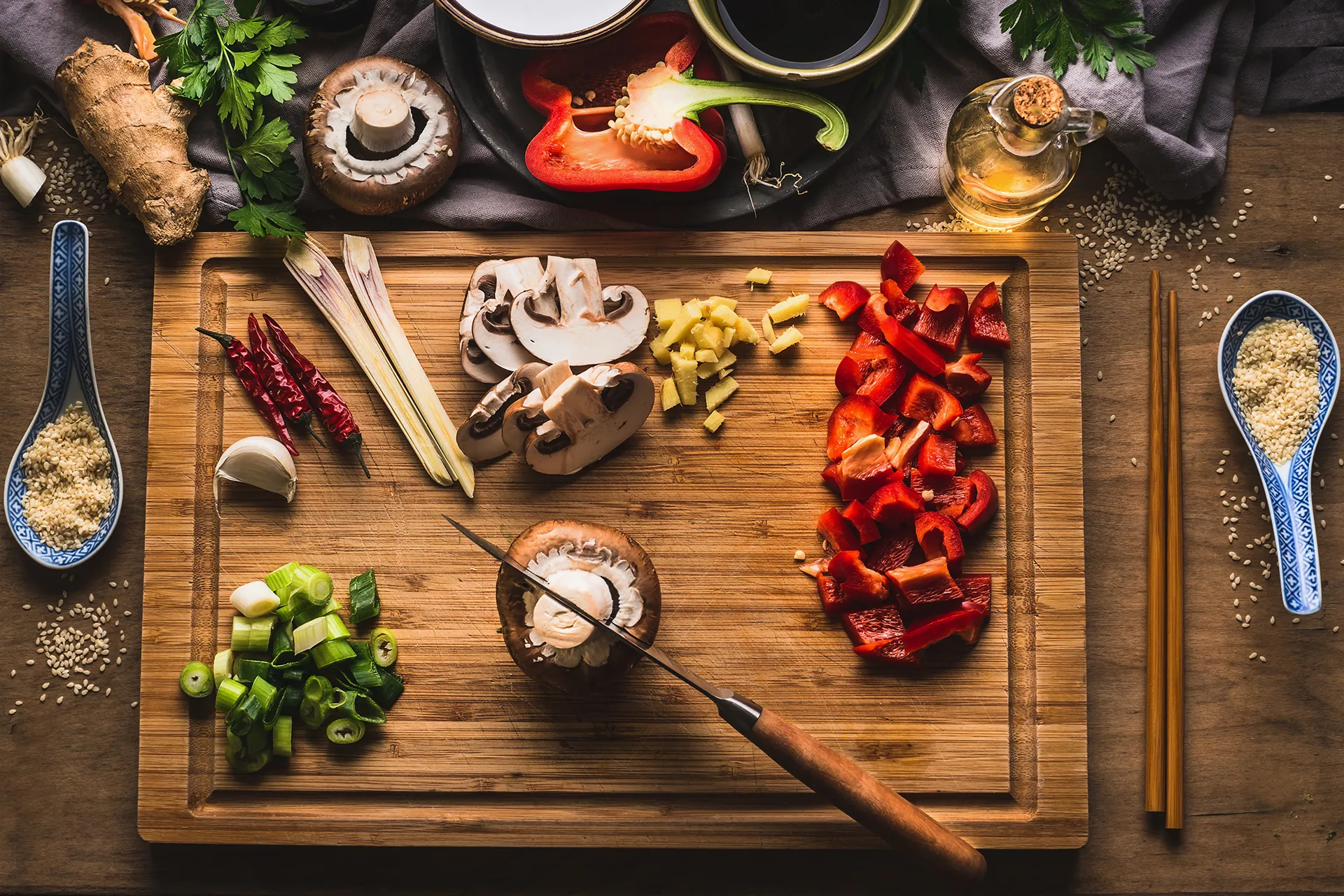
One of the defining characteristics of Cantonese cuisine is restraint in seasoning and technique. The objective is often to preserve the original flavour, texture and quality of the ingredient rather than heavily transform it. This differs significantly from other regional Chinese cuisines such as Sichuan or Hunan cooking, where spice, fermentation and stronger flavour profiles play a more dominant role.
Techniques such as steaming, roasting, poaching and double-boiling require high levels of timing and consistency. Cantonese kitchens place considerable importance on heat control, knife work and preparation methods that may appear simple but are technically demanding in execution. A steamed fish, for example, is judged not only by flavour but by texture, temperature and the precise timing between cooking and serving.
Soup culture also occupies a central role within Cantonese dining traditions. Slow-boiled broths prepared over several hours are historically associated with nourishment, balance and family care. In many Cantonese households, soup is treated not as a side dish but as a daily ritual connected to health and seasonal eating practices rooted in traditional Chinese medicine.
Another defining aspect of Cantonese cuisine is its relationship with live seafood. Hong Kong’s position as a coastal trading port created direct access to fishing networks across Southern China and Southeast Asia. Freshness became both a culinary expectation and a status symbol. Luxury restaurants often displayed live seafood tanks prominently within dining rooms, turning ingredient selection into part of the guest experience itself.

The rise of luxury hotels in Hong Kong during the second half of the twentieth century fundamentally reshaped Cantonese dining culture. Grand hotels introduced international hospitality standards while simultaneously formalising many aspects of Chinese banquet dining into more refined and structured experiences. Hotels such as the Mandarin Oriental, The Peninsula and later the Four Seasons became known not only for accommodation, but for destination dining. Cantonese restaurants inside these properties developed reputations that extended beyond local audiences, attracting business leaders, visiting dignitaries and international travellers seeking a more elevated interpretation of Chinese cuisine.
This period also coincided with Hong Kong’s emergence as a gateway between China and the global economy. Business dining became deeply embedded within the culture of Cantonese restaurants. Multi-course meals functioned as spaces for negotiation, relationship-building and social hierarchy. Seating arrangements, private rooms, hosting rituals and service pacing all carried cultural significance beyond the meal itself. Private dining rooms became particularly important within Hong Kong’s luxury restaurant culture. Unlike many Western dining environments that prioritise openness and visibility, Cantonese fine dining often values discretion and enclosure, especially for formal business gatherings or family occasions. This influenced the architecture of restaurants themselves, leading to layered spatial planning, enclosed banquet rooms and controlled visual privacy.

The design language of Cantonese fine dining in Hong Kong evolved alongside the city’s luxury hospitality industry. Early banquet halls were often highly ornamental, drawing from traditional Chinese motifs, red lacquer finishes, carved timber and symbolic decoration associated with prosperity and status. By the 1980s and 1990s, luxury hotel restaurants began introducing more contemporary interiors while maintaining references to Chinese craftsmanship and cultural identity. Harbour-facing dining rooms became especially significant within Hong Kong’s luxury hotels, with restaurants using elevated views of Victoria Harbour as part of the dining experience itself.
Lighting also became increasingly important within Cantonese fine dining environments. Unlike brightly lit casual restaurants, luxury Cantonese dining rooms typically adopted lower ambient lighting, reflective finishes and layered material palettes to create a slower and more formal atmosphere. Lacquer surfaces, brass detailing, silk wall panels and carpeted flooring became recurring design elements within high-end Chinese restaurants across Hong Kong. Display culture similarly played an important role. Roast meat stations, seafood tanks, tea displays and wine collections became integrated into the visual identity of the restaurant rather than hidden operational functions. In many Cantonese restaurants, the visibility of preparation and ingredients reinforced ideas of abundance, freshness and culinary confidence.

Unlike Western dining formats built around individually plated courses, Cantonese meals are traditionally structured around collective dining and shared interaction. Large circular tables fitted with rotating lazy Susans became synonymous with banquet culture across Hong Kong, particularly within luxury hotel restaurants. The sequence of dishes within a Cantonese banquet is highly considered. Seafood, soups, roasted meats, vegetables, rice and desserts are served according to established rhythms that balance flavour, texture and pacing throughout the meal. Timing is critical, particularly during formal banquets where dozens of dishes may be served over several hours.
Tea culture also remains deeply embedded within Cantonese dining traditions. Yum cha, which translates loosely to “drinking tea,” historically functioned as a social activity centred around conversation, community and dim sum dining. Even in luxury settings, tea service continues to play an important ceremonial role throughout the meal. Another aspect often overlooked in Cantonese fine dining is acoustics. Large banquet restaurants in Hong Kong are frequently energetic and loud compared to Western fine dining environments. Noise is not necessarily viewed negatively within Chinese dining culture, particularly during celebrations and family gatherings. The atmosphere of activity, conversation and movement is often considered part of the dining experience itself.
Today, Cantonese fine dining continues to evolve alongside changing dining habits and global hospitality trends. Many contemporary restaurants in Hong Kong have adopted more restrained interiors, modern plating styles and expanded wine programmes aimed at international audiences, while still maintaining traditional culinary foundations.
Restaurants such as Man Wah at Mandarin Oriental Hong Kong reflect this balance between heritage and contemporary refinement. Traditional Cantonese dining rituals continue alongside modern hospitality expectations, preserving the importance of precision, ingredient quality, collective dining and ceremony within a more contemporary setting. Although the visual language of Cantonese fine dining continues to modernise, its core principles remain deeply tied to Hong Kong’s cultural and hospitality identity.